6 Symptoms of a Bad Fuel Pump to Watch For

There’s nothing more frustrating than a car that suddenly feels unreliable. Maybe it’s sputtering on the highway, hesitating when you accelerate, or refusing to start on the first try. These issues can seem random, but they often point to a single, hardworking component: the fuel pump. A weak or failing pump can’t deliver the consistent fuel pressure your engine needs to run smoothly. This guide is designed to help you decipher your car’s warning signs. We’ll walk through the most common symptoms of a bad fuel pump so you can understand what’s happening and what to do next.
Key Takeaways
- Recognize the early warning signs: Pay attention if your car sputters, struggles to start, or makes a whining noise from the fuel tank area. These are common indicators that your fuel pump is working too hard and may be failing.
- An accurate diagnosis saves you money: Symptoms of a bad fuel pump can easily be mistaken for a clogged fuel filter or a bad relay, which are much simpler fixes. A professional diagnosis confirms the root cause, preventing you from paying for unnecessary repairs.
- Simple habits extend your fuel pump's life: You can prevent premature wear by making it a rule to refuel when your tank is a quarter full and by following your car's recommended schedule for fuel filter changes.
What Is a Fuel Pump and What Does It Do?
Think of the fuel pump as the heart of your car’s fuel system. Its job is simple but absolutely essential: it moves gasoline from the fuel tank all the way to the engine. Without this critical component, your engine wouldn't get the fuel it needs to run, and your car simply wouldn’t go anywhere. It’s a small, hardworking part that operates behind the scenes, ensuring a constant and pressurized supply of fuel is available the moment you turn the key or push the start button.
Because it’s always working while your engine is on, the fuel pump is a part that can wear out over time. When it starts to fail, it can cause a range of frustrating and sometimes confusing problems, from trouble starting your car to sudden stalling while you're driving down the road. These symptoms can often be mistaken for other issues, which makes diagnosis tricky without the right tools. Understanding what the fuel pump does is the first step in recognizing the warning signs that it might need attention. If you suspect an issue, it’s always best to seek professional fuel system services to get a clear diagnosis and prevent further damage to your engine.
How Your Fuel Pump Powers Your Engine
Your fuel pump does more than just move gas around. It’s responsible for delivering fuel from the tank to the engine at a very specific pressure. This consistent pressure is crucial for your engine’s fuel injectors to deliver the right amount of gasoline for efficient combustion. If the pump is weak or failing, it can’t maintain that pressure. As a result, your engine might not get enough fuel, causing it to sputter, hesitate during acceleration, or even stall completely. It’s a delicate balance, and the fuel pump is the key player in keeping everything running smoothly.
Common Types of Fuel Pumps
Fuel pumps generally come in two types: mechanical and electric. While older, carbureted vehicles often used mechanical pumps mounted on the engine, modern cars almost exclusively use electric fuel pumps. These are typically located inside the fuel tank itself. This in-tank placement is strategic, as the gasoline surrounding the pump helps keep it cool, which extends its life. This design also helps maintain steady fuel pressure, ensuring your car starts quickly and reliably. Because they are located inside the fuel tank, replacing them can be complex, which is why it’s a job best left to experienced technicians.
Signs Your Fuel Pump Might Be Failing
A failing fuel pump rarely gives up without a fight. It usually sends out a few warning signs first, giving you a chance to address the problem before you end up stranded. Paying attention to how your car feels, sounds, and performs can help you catch a weak fuel pump early. If your car starts acting up in strange ways, it might be trying to tell you that its fuel delivery system needs attention. Here are some of the most common symptoms that point to a failing fuel pump.
Your Car Sputters or Loses Power
Does your car hesitate or sputter when you’re driving at a consistent speed or trying to accelerate? This is a classic sign of a fuel pump that’s struggling to send a steady stream of gasoline to the engine. You might notice the engine stumbling, especially when you’re climbing a hill or putting it under a heavy load. This happens because the pump can't keep up with the engine's demand for fuel, causing it to briefly lose power. If you’re experiencing these issues, it’s a good idea to have your vehicle inspected to prevent more serious engine repairs down the road.
You Have Trouble Starting the Engine
A healthy fuel pump primes the system with the right amount of pressure the moment you turn the key. If the pump is weak, it can’t build up enough pressure, making it difficult for the engine to start. You might find yourself cranking the engine for much longer than usual, or it might not start at all on the first try. While a dead battery can also cause starting issues, a struggling fuel pump is a common culprit when the engine turns over but refuses to fire up. Getting a professional auto diagnostics service can pinpoint the exact cause.
You Hear a Whining Noise from the Fuel Tank
One of the most distinct signs of a failing fuel pump is an audible one. You might hear a loud, high-pitched whining or buzzing sound coming from the rear of your vehicle, near the fuel tank. This noise is caused by the electric motor inside the fuel pump working overtime as it begins to wear out. The sound is often most noticeable right after you turn the key, just before you start the engine. If you hear this persistent whining, it’s a clear signal that your fuel pump is crying out for help and should be checked by a technician.
Your Gas Mileage Suddenly Drops
Are you making more frequent trips to the gas station than you used to? A sudden decrease in fuel efficiency can be a subtle sign of a failing fuel pump. When the pump isn't delivering the correct amount of pressure, the engine may receive too much fuel, which it can't burn efficiently. This wastes gas and forces you to fill up more often. While other issues can affect your MPG, a noticeable drop is a good reason to have your entire fuel system inspected to ensure everything is working correctly.
The Check Engine Light Is On
That little illuminated engine symbol on your dashboard is your car’s primary way of telling you something is wrong. A failing fuel pump can trigger the check engine light for several reasons. Your car's onboard computer monitors fuel pressure, and if it detects that the pressure is too low, it will log a fault code and activate the light. Sometimes, the issue can also lead to engine misfires, which will also trigger a warning. Don't ignore this light; a quick diagnostic check can read the specific code and tell you exactly what’s going on under the hood.
Your Car's Performance Is Unpredictable
Overall, a failing fuel pump makes your car’s performance inconsistent. One day it might feel fine, and the next it might feel sluggish and unresponsive when you press the gas pedal. You may experience sudden surges of power or unexpected losses of acceleration while driving. This unpredictability happens because the worn-out pump is delivering an erratic supply of fuel to the engine. If your car just doesn't feel right and its performance is all over the place, it’s a strong indicator that a key component like the fuel pump is on its way out.
Is It Your Fuel Pump or Something Else?
The symptoms of a bad fuel pump can be misleading because other parts can cause the exact same problems. A wrong diagnosis can lead to expensive and unnecessary repairs, so it's crucial to rule out simpler issues first. Before you assume the worst, consider if one of these common culprits might be the real source of your car trouble.
Could It Be a Clogged Fuel Filter?
Your fuel filter's job is to catch debris, but it can get clogged over time. This restricts fuel flow, causing your engine to sputter or lose power, mimicking a failing pump. A dirty filter also forces the pump to work harder, which can cause it to wear out prematurely. Since replacing a fuel filter is much simpler and less expensive than a pump replacement, it's often the first thing a mechanic will check. Regular maintenance of your fuel system is the best way to prevent this from happening.
What About an Ignition Problem?
Engine trouble isn't always about fuel. A healthy engine needs a strong spark to ignite the fuel, and problems with the ignition system can cause stalling and starting issues. If your spark plugs are worn or an ignition coil is failing, you'll get a weak spark that leads to the same performance problems as low fuel pressure. This is why professional auto diagnostics services are so important; they can tell if the issue is fuel-related or spark-related, ensuring the right fix is made.
Don't Overlook the Fuel Pump Relay
The fuel pump needs electricity to run, which it gets through a small switch called the fuel pump relay. If this inexpensive part fails, it can't send power to the pump, and your car won't start. It's easy to mistake this for a dead pump, but the real issue is often a simple relay that's much easier and cheaper to fix. A quick check of the fuse box can identify a bad relay, potentially saving you from a much more involved and costly repair.
Common Myths About Fuel Pump Failure
It's a common myth that sputtering and stalling automatically mean you need a new fuel pump. These symptoms can also be caused by other components, like a clogged filter or faulty fuel injectors. It's important to investigate these possibilities because replacing a fuel pump is a major job. In most cars, the pump is inside the gas tank, which has to be removed for access. Rushing into this repair without a thorough diagnosis is a costly mistake, so it's always best to have an expert confirm the issue before starting any major engine repair services.
How to Confirm a Fuel Pump Problem
If you’re noticing some of the classic signs of a failing fuel pump, you might be wondering how to know for sure. While the symptoms are a great starting point, a few simple checks can help you get closer to an answer. These steps can help you determine if the fuel pump is the likely culprit before you schedule a repair. Keep in mind that some tests are easier to do at home than others, and a definitive diagnosis often requires professional tools.
Listen for the Pump When You Start Your Car
One of the quickest and easiest checks you can do requires nothing but your ears. The next time you get in your car, don't start the engine right away. Instead, turn the key to the "on" position, which is the step right before the engine cranks. As you do this, listen carefully for a faint humming or buzzing sound coming from the rear of the car, near the gas tank. This sound is the electric fuel pump priming the system by sending fuel to the engine. If you hear that gentle hum for a few seconds, your pump is at least getting power and trying to work. If you hear silence, it’s a strong sign the pump isn't turning on at all.
Perform a Fuel Pressure Test
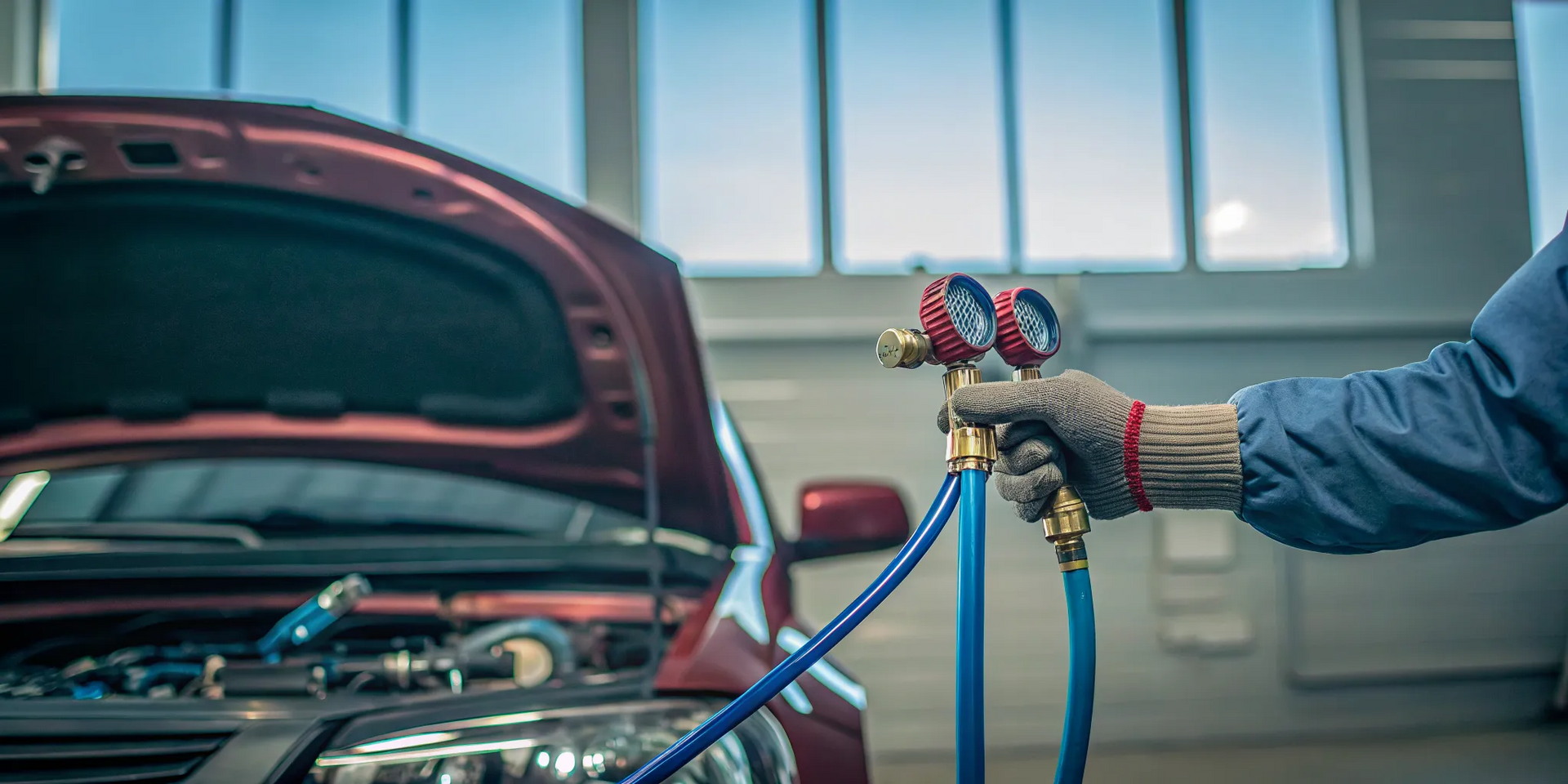
For a more conclusive answer, you can perform a fuel pressure test. This test measures the exact pressure the pump is sending through the fuel lines. To do this, you’ll need a fuel pressure gauge, which connects to a specific valve on your engine’s fuel rail called the Schrader valve. Each vehicle has a recommended fuel pressure range, often between 40 and 80 PSI. If the gauge shows a pressure reading that’s below your car manufacturer’s specifications, the fuel pump is likely weak and failing. This test provides solid data, but it’s a bit more technical. If you’re not comfortable working on your engine, it’s best to have a professional handle the auto diagnostics services.
Watch Your Fuel Gauge for Clues
Your driving habits can also offer a clue. A fuel pump uses the gasoline in the tank to stay cool and lubricated. If you frequently drive with your fuel light on, the pump can overheat and wear out prematurely. While this isn’t a direct test, think about your habits. If you often run your tank close to empty and are now experiencing sputtering or starting issues, it adds more evidence to the case for a failing fuel pump. To extend the life of your current or next fuel pump, try to keep your gas tank at least a quarter full at all times. This simple habit can make a big difference in the long run.
Why Professional Diagnostics Are Key
While these at-home checks are helpful, it’s important to remember that other issues can mimic a bad fuel pump. A clogged fuel filter, faulty fuel injectors, or even an electrical problem can cause similar symptoms. Since replacing a fuel pump is often a complex job that involves removing the gas tank, you want to be absolutely sure before starting the repair. A professional technician can perform comprehensive tests to pinpoint the exact cause of the problem. Getting an accurate diagnosis for your fuel system services will save you from paying for a repair you might not even need.
What to Do If You Suspect a Bad Fuel Pump
If your car is showing any of the signs we've talked about, your intuition is probably telling you something isn't right. Trust that feeling. Taking the right steps now can save you a lot of headaches and keep you safe. The key is to act quickly and smartly, rather than waiting for a small issue to become a major problem on the side of the road. Here’s a straightforward guide on what to do next.
How to Stay Safe on the Road
Your safety is the top priority. If your car starts sputtering or losing power while you're driving, find a safe place to pull over as soon as you can. Don't try to push your car to make it to your destination. A failing fuel pump is unpredictable, and the last thing you want is for your car to stall in the middle of an intersection or on a busy highway. If the symptoms are noticeable but not severe yet, it's best to limit your driving until you can get it checked out. Avoid long trips and stick to familiar roads if you absolutely must drive. Ignoring these warning signs is a gamble that could leave you stranded.
When to Call a Professional
While it can be tempting to search for a quick fix online, fuel system problems are best left to the experts. If your fuel pump fails completely, your car won't start, leaving you with no choice but to call for help. A professional mechanic has the right tools to perform accurate auto diagnostics services to confirm the issue. They can run a fuel pressure test to see if the pump is delivering the right amount of fuel to the engine. This step is crucial because it prevents you from spending money replacing a part that might not even be the problem. Getting a professional opinion ensures you fix the root cause correctly the first time.
Why You Shouldn't Wait to Get It Fixed
Putting off a potential fuel pump repair is a recipe for trouble. A struggling pump can put extra strain on your engine and other components, potentially leading to more extensive and costly damage. Plus, many of the symptoms of a bad fuel pump can also be caused by other issues within the fuel system, like a clogged filter or faulty injectors. A technician can figure out exactly what’s wrong. By addressing the problem early, you avoid the stress and danger of a sudden breakdown. More importantly, you ensure your car remains a reliable source of transportation for you and your family. Timely repairs are always a smart investment in your vehicle's health and your peace of mind.
How to Keep Your Fuel Pump Healthy
A little preventative care goes a long way in keeping your fuel pump running smoothly and helping you avoid a surprise breakdown. You don’t have to be a car expert to protect this vital component. By adopting a few simple habits, you can extend the life of your fuel pump and save yourself from the headache and expense of a premature replacement. Think of it as easy insurance for one of your car’s hardest-working parts. These straightforward tips will help you keep your fuel system in top condition for years to come.
Don't Run on Empty
It’s tempting to push your car to the last drop of gas, but driving on a nearly empty tank is one of the worst things you can do for your fuel pump. The gasoline in your tank does more than just power the engine; it also cools and lubricates the electric fuel pump. When the fuel level gets too low, the pump can suck in air, causing it to overheat and wear out much faster. To prevent this, make it a habit to refuel when your tank hits the quarter-full mark. This simple step ensures your fuel pump stays submerged and cool, significantly reducing the risk of damage.
Change Your Fuel Filter Regularly
Your car’s fuel filter has an important job: it traps dirt, rust, and other debris before they can reach your fuel pump and engine. Over time, this filter gets clogged, restricting the flow of gasoline. A dirty filter forces the fuel pump to work much harder to push fuel through the lines, causing unnecessary strain and leading to early failure. Following your vehicle manufacturer’s recommended schedule for filter replacement is key. During a routine check, a technician can easily inspect and replace it, keeping your fuel pump from overworking itself.
Use High-Quality Fuel
The quality of the fuel you put in your tank directly impacts the health of your entire fuel system. Lower-grade gasoline can contain more impurities and sediments that can clog your fuel filter and injectors over time. Using high-quality fuel from reputable stations helps prevent harmful deposits from building up in the first place. Many top-tier brands include detergents and additives that actively clean your fuel system as you drive. While it might cost a few cents more at the pump, choosing better fuel is a small investment that helps protect your fuel pump from contamination and keeps your engine running efficiently.
Stick to a Regular Maintenance Schedule
Ultimately, the best way to protect your fuel pump is to follow a consistent maintenance schedule. Regular check-ups allow a professional to catch small issues before they become major problems. This includes inspecting the entire fuel system, checking for leaks, and replacing filters as needed. When you bring your vehicle in for service, our team can perform a thorough inspection to ensure everything is working correctly. Proactive care not only extends the life of your fuel pump but also gives you peace of mind on the road. If you have any concerns, scheduling professional fuel system services is the surest way to keep your car reliable.
Related Articles
- Fuel System Services in Salinas, CA | Dick Adams Auto
- Auto Diagnostics Services in Salinas, CA | Dick Adams Auto
- Engine Repair Services in Salinas, CA | Dick Adams Auto
- Emission & Exhaust System Services in Salinas, CA | Dick Adams Auto
- Auto Repair in Salinas, CA | Dick Adams Auto
Frequently Asked Questions
What's the first thing I should do if my car starts sputtering or losing power? Your first priority is safety. If your car begins to act up while you're driving, find a safe spot to pull over as soon as you can. A sputtering engine is a clear sign that something is wrong, and trying to push the car further could leave you stranded in a dangerous location. Once you're safely off the road, it's best to call for professional help instead of risking more damage or a complete breakdown.
Is it safe to keep driving if I suspect my fuel pump is failing? It's not a good idea. A failing fuel pump is unpredictable; it might work one moment and quit the next. Continuing to drive puts you at risk of stalling suddenly, perhaps in an intersection or on the freeway. It's much safer to limit your driving and schedule a diagnostic appointment as soon as possible to get a clear answer and a reliable repair.
Why is replacing a fuel pump often a big repair job? In most modern cars, the fuel pump is located inside the gasoline tank. To access it, a technician usually has to remove the entire fuel tank from underneath the vehicle. This process is labor-intensive and requires special care, which is why the repair can be more involved and costly than replacing other parts. It's a job that definitely requires the right tools and expertise.
My car won't start, but I don't hear any strange noises. Could it still be the fuel pump? Yes, it's possible. While a whining sound is a classic symptom of a worn-out pump, a pump can also fail silently. For example, an electrical issue like a bad relay could prevent the pump from getting power, so it won't turn on or make any noise at all. This is why a professional diagnosis is so important to pinpoint the exact cause of a starting problem.
How important is it to keep my gas tank from getting too low? It's one of the most important habits you can adopt for your fuel system's health. The gasoline in the tank acts as a coolant for the electric fuel pump. When you frequently run the tank close to empty, the pump can overheat, which causes it to wear out much more quickly. Try to refuel when you get down to a quarter of a tank to keep the pump cool and extend its life.