7 Signs of a Dying Car Battery You Shouldn't Ignore
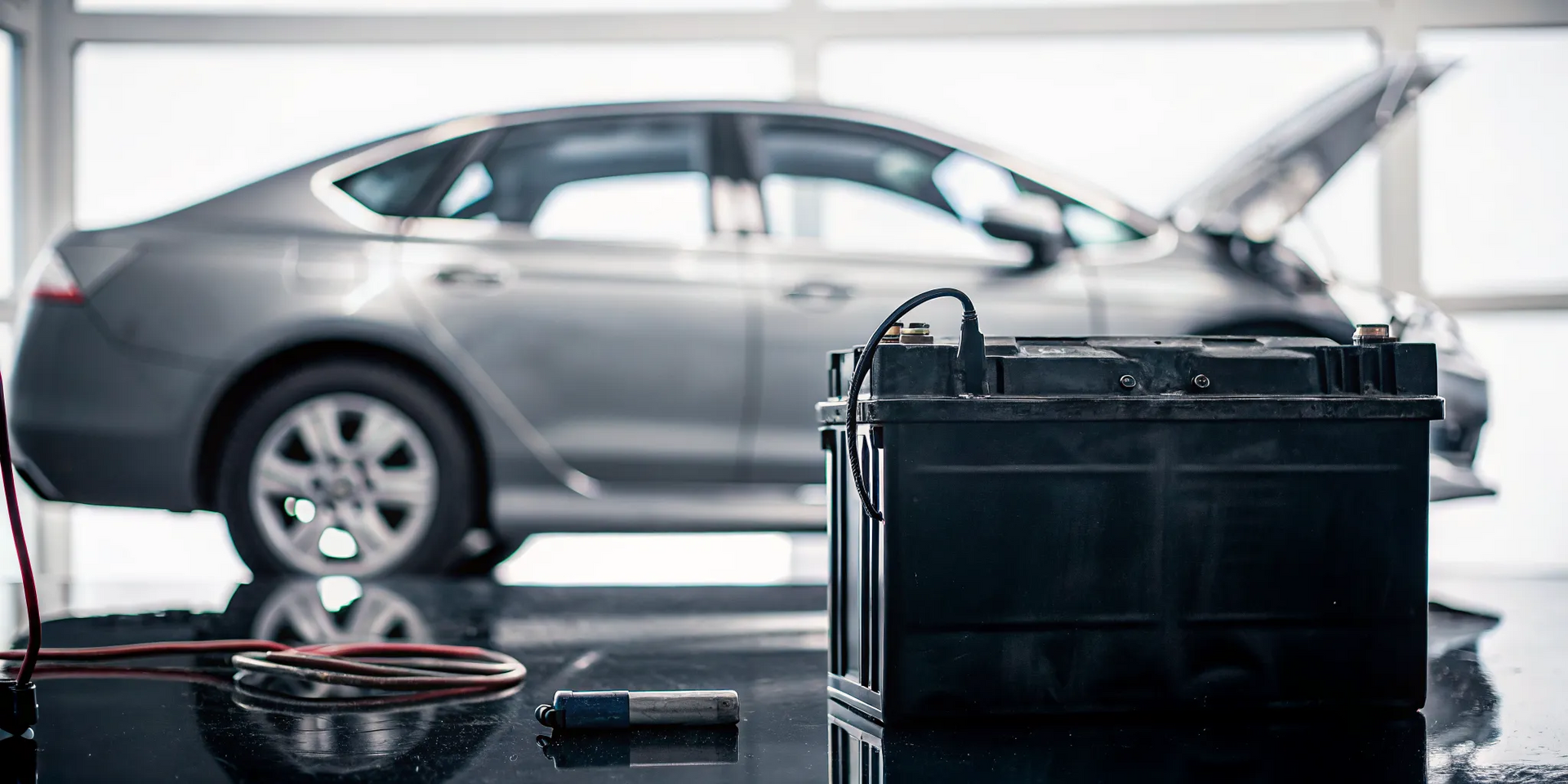
Your car can’t speak, but it has its own way of communicating when something is wrong. That slow, sluggish engine start on a chilly morning or the headlights that seem a little dimmer than usual aren't just random quirks; they’re signals. These are your vehicle's direct messages, pointing to a weakening power source. Paying attention to these subtle hints is the key to avoiding the frustration of being stranded with a car that won’t start. Understanding these signs of a dying car battery empowers you to take action before a minor issue becomes a major inconvenience. Let’s explore the specific clues your car sends when its battery is on its last legs, so you know exactly what to look for.
Key Takeaways
- Recognize the early warnings: Pay attention to signs like a slow engine start, dim headlights, or a clicking noise, as these are your car's way of telling you the battery is failing before it leaves you stranded.
- Get a definitive diagnosis: Since a bad alternator can show the same symptoms as a weak battery, a professional test is the best way to identify the real problem and avoid replacing the wrong part.
- Simple habits extend battery life: You can get more years out of your battery by taking longer drives to maintain its charge and keeping the terminals clean, which helps prevent the stress of an unexpected breakdown.
Is Your Car Battery Trying to Tell You Something?
We’ve all been there: that moment of dread when you turn the key in the ignition and get nothing but silence. A dead car battery is one of the most common reasons for a car breakdown, and it almost always happens at the worst possible time. The good news is that your battery rarely dies without giving you a few hints first. Think of these as your car’s way of asking for help before it’s too late.
Learning to recognize these signals can save you from the stress of being stranded on the side of a Salinas road. Your car’s battery is the heart of its electrical system, powering everything from the engine starter to your headlights and radio. When it starts to weaken, the effects can show up in some subtle, and not-so-subtle, ways. Paying attention to these clues allows you to address the problem proactively. Instead of waiting for a complete failure, you can schedule a simple check-up. If you notice any of these signs, it might be time to look into professional auto battery services to see if a replacement is in your near future. Let’s walk through the seven key signs that your car battery is on its way out.
Your Engine Struggles to Start
One of the most classic signs of a dying battery is a slow engine crank. You know that familiar, energetic "vroom" your car makes when it starts? When the battery is weak, it sounds more like a tired, sluggish groan. The engine will take longer than usual to turn over, and you might have to turn the key a few times to get it going. This happens because the battery doesn't have enough power to give the starter motor the strong jolt it needs. You'll often notice this more on chilly mornings, as cold temperatures can reduce a battery's effectiveness.
Your Headlights Look Dim
Have you noticed your headlights looking a bit weak or yellowish when you start your car at night? This is a tell-tale sign that your battery is losing its charge. The battery powers all of your car's electronics, so when it's failing, it can't supply full power to everything at once. You might also notice that your interior dome lights or dashboard lights seem dimmer than usual. If your headlights brighten up when you rev the engine, that’s another strong indicator that the battery, not the bulbs, is the problem.
The Dashboard Warning Light Is On
Your dashboard is your car's communication hub, and you should never ignore its warning lights. Most vehicles have a battery-shaped warning light that will illuminate if there's an issue with the charging system. While this light can sometimes point to a problem with the alternator, it often means the battery itself isn't holding a charge properly. If this light pops on, don't just cross your fingers and hope it goes away. It's your car's direct way of telling you to get it checked out by a professional who can perform auto diagnostics services to find the root cause.
You Hear a Clicking Sound When Turning the Key
If you turn the key and hear a rapid clicking sound instead of your engine starting, your battery is likely the culprit. That clicking is the sound of the starter solenoid trying to engage but not receiving enough electrical current to do its job. The battery has just enough power to activate the electronics but not nearly enough to turn the heavy crankshaft of the engine. It's a very distinct noise and a clear signal that your battery is either completely drained or has reached the end of its life.
You See Corrosion on the Battery Terminals
It’s a good idea to pop the hood and look at your battery every once in a while. If you see a white, blue, or greenish powdery substance building up on the metal parts of your battery (the terminals), you’re looking at corrosion. This buildup is caused by leaking battery acid and can interfere with the electrical connection, preventing the battery from charging and delivering power effectively. While cleaning the terminals can sometimes offer a temporary fix, heavy corrosion is often a sign that the battery is old and needs to be replaced soon.
The Battery Case Looks Swollen
A healthy battery should have a rectangular shape. If you look at your battery and the case appears swollen, bloated, or misshapen, it's a serious red flag. Extreme heat or a malfunctioning alternator can cause the battery to overcharge, leading to a buildup of gas inside that makes the casing swell. This indicates significant internal damage and means the battery is unstable. A swollen battery should be replaced immediately, as it can be a safety hazard. Don't wait on this one; get it taken care of right away.
You Need Frequent Jump-Starts
A jump-start should be a rare event, reserved for those times you accidentally leave the lights on. If you find yourself needing to jump-start your car regularly, it’s a clear sign that your battery can no longer hold a charge. A healthy battery recharges as you drive, but a failing one will lose its power shortly after you turn the engine off. Relying on jumper cables is not a long-term solution. If your car needs a jump more than once in a short period, it's time for a new battery.
Is It the Battery or Something Else?
So, your car is acting up, and all signs point to the battery. But before you rush out to buy a new one, it’s smart to consider if another part of your electrical system is the real culprit. The battery, alternator, and starter work together, and a problem with one can easily look like a problem with another. Let's walk through how to tell them apart.
Battery vs. Alternator Problems
Your battery provides the initial jolt of power to start your car, but it’s the alternator’s job to keep it charged while you drive. If your alternator is failing, it can’t recharge the battery effectively, leading to a car that won’t start. A key sign of a bad alternator is if your car starts with a jump but dies again shortly after. You might also notice your headlights and dashboard lights dimming while the engine is running. A healthy alternator keeps the system running smoothly, so if you're experiencing these issues, the problem might not be the battery itself. A professional auto diagnostics service can test both components to find the source of the trouble.
How to Rule Out a Starter Issue
What if you turn the key and just hear a sound? The type of sound can tell you a lot. If you hear a rapid-fire clicking noise, it’s a classic sign that the starter isn't getting enough power from the battery to turn the engine over. The starter is trying, but the battery just doesn't have the juice. However, if you hear a single, loud click, the issue could be the starter motor itself. And if you hear nothing at all, that usually points back to a completely dead battery or a faulty connection. Paying close attention to what you hear (or don't hear) can help you narrow down the possibilities before you even pop the hood.
Simple Checks You Can Do at Home
You don’t have to be a mechanic to do a little detective work. Start with a visual inspection. Pop the hood and look at the battery terminals. Are they covered in a fuzzy, blue-green substance? That’s corrosion, and it can block the flow of electricity. Cleaning it off might solve your problem. Also, make sure the cable clamps are tight and not wiggling around. If you have a voltmeter, you can perform a simple test. A fully charged battery should read around 12.6 volts when the car is off. When the engine is running, that number should jump to around 14 volts, which shows the alternator is doing its job.
Why Your Battery's Age Matters
Sometimes, the answer is as simple as old age. Most car batteries have a lifespan of about three to five years. As a battery gets older, its ability to hold a full charge weakens, and internal parts can degrade and fail suddenly. If your battery is in that age range and you’re starting to see signs of trouble, it’s very likely the battery itself is the problem. You can usually find a date code sticker on the battery case to check its age. Proactively replacing an old battery can save you from the headache of getting stranded. If you think it's time for a new one, our team can help with professional auto battery services.
What Causes a Car Battery to Fail Early?
You expect your car battery to last for a few years, but sometimes it gives out much sooner than planned. While every battery has a limited lifespan, certain conditions and habits can significantly shorten it. Understanding these factors can help you get more life out of your battery and avoid the surprise of a car that won't start. From the weather outside to your daily driving routine, several things can contribute to premature battery failure. Let's look at some of the most common culprits.
How Extreme Temperatures Take a Toll
Your car battery isn't a fan of extreme weather, whether it's scorching hot or freezing cold. Here in California, intense summer heat can be especially tough, causing the vital fluid inside the battery to evaporate. This damages the internal structure and reduces its ability to hold a charge. On the other hand, cold weather thickens the engine oil, forcing the battery to work much harder to start the car. This extra strain can be the final straw for an already weakened battery. Both extremes push your battery to its limits and can drastically shorten its life.
The Problem with Frequent Short Trips
If your daily routine involves lots of quick errands around town, you might be unintentionally wearing out your battery. Starting your car uses a huge amount of power, and the alternator needs time to recharge the battery during your drive. Short trips, like a five-minute drive to the grocery store, often don't provide enough time for the battery to fully recover its charge. Over time, this cycle of draining without fully recharging leads to a gradual decline in the battery's health, causing it to fail much earlier than it should.
Forgetting to Turn Off Lights and Accessories
We’ve all done it: you get home after a long day, and in your haste, you forget to turn off the headlights or an interior dome light. Leaving lights, the radio, or other electronic accessories running when the engine is off is a surefire way to drain your battery. This is often called a parasitic drain. While modern cars have features to prevent this, older models might not, and even small devices plugged into charging ports can slowly sip power. Always do a quick check to make sure everything is off before you walk away from your car.
The Natural Lifespan of a Battery
Even with perfect care, a car battery won't last forever. Most standard car batteries are designed to last between three and five years. After this point, the internal components naturally degrade, and the battery can no longer hold a charge as effectively. Factors like the ones we've discussed can shorten this timeline, but age will eventually catch up to every battery. If your battery is approaching the three-year mark, it's a good idea to have it tested. Our team can perform professional auto battery services to see how much life it has left.
Why Clean Terminals Are So Important
Take a look under your hood at the battery terminals, which are the metal posts where the cables connect. If you see a white or bluish, crusty substance, that's corrosion. This buildup acts as an insulator, disrupting the flow of electricity from the battery to your car. A poor connection means the battery can't deliver full power to start the engine, and it also prevents the alternator from properly recharging it. Keeping the terminals clean is a simple but crucial part of battery maintenance that ensures a solid, reliable connection and helps your battery perform its best.
Spotted a Warning Sign? Here's What to Do Next
Seeing a warning sign from your car can be stressful, but don't panic. Acting quickly is the key to avoiding a dead battery at the worst possible moment. If your car is showing any of the symptoms we've covered, from slow starts to dimming lights, it's sending you a clear message that it needs attention. The next steps are straightforward and can save you from the headache of being stranded. Think of it as a simple check-up to keep your car healthy and reliable.
Get a Professional Battery Test
The most reliable way to know what’s going on is to get your battery professionally tested. While you can buy a DIY tester, a mechanic has specialized equipment that can check your battery's cranking amps, voltage, and overall health. This test can tell you not just if the battery is failing, but how much life it has left. It also helps confirm that the battery is actually the problem, ruling out other culprits like the alternator or starter. If you notice any signs of trouble, it's best to get a test done as soon as you can. A quick, professional check provides peace of mind and a clear path forward.
Should You Replace It Now or Can It Wait?
This is the big question. Most car batteries last between three and five years. If yours is in that age range and showing signs of weakness, replacing it proactively is a smart move. Waiting for it to die completely often means getting stuck somewhere inconvenient. A professional battery test will give you a definitive answer. If the test shows the battery is weak and struggling to hold a charge, it’s time for a new one. Putting it off might seem like you're saving money, but the cost of a tow truck and a last-minute replacement is often much higher.
How to Safely Jump-Start Your Car
A jump-start can get you out of a jam, but it’s a temporary fix, not a permanent solution. If you need to jump-start your car, safety is the top priority. Always read your owner's manual for specific instructions. Make sure you connect the jumper cables in the correct order (positive to positive, then negative to a metal ground on the dead car) to avoid sparks and damage to your car's electronics. If you’re not comfortable doing it yourself, it’s always safer to call for roadside assistance or a trusted mechanic. Remember, if your battery needs a jump, it's a strong signal that it needs to be tested or replaced right away.
Finding Reliable Auto Service in Salinas
When you're dealing with battery issues, you need a mechanic you can trust to give you an honest diagnosis and quality service. You don't want to replace a battery if the real problem is the alternator. At Dick Adams Auto, we’ve been helping drivers in Salinas since 1976. Our family-owned shop is built on integrity, and we’re committed to getting you back on the road safely. If you suspect a problem, bring your car in for professional auto battery services. We’ll perform a thorough test and let you know exactly what your car needs, without any pressure.
How to Make Your Car Battery Last Longer
No one wants to deal with a dead car battery. The good news is that you can extend your battery's life and avoid getting stranded with a few simple habits. By paying a little attention to your battery's health and how you drive, you can keep it running strong for years. These practical tips will help you get the most out of your battery and save you from the headache of an unexpected breakdown.
Simple Cleaning and Maintenance Tips
Pop the hood and take a look at your battery terminals, the metal posts where the cables connect. If you see a white, blue, or greenish powdery substance, that’s corrosion. This buildup can interfere with the electrical connection and prevent your car from starting. You can clean it off yourself with a wire brush and a mixture of baking soda and water, but be sure to wear gloves and eye protection. An easier and safer option is to have a professional handle it. During a routine check, we can clean the terminals and ensure all connections are tight, keeping the power flowing smoothly from your battery to your engine.
Driving Habits That Extend Battery Life
Your car’s battery recharges as you drive, thanks to the alternator. However, if you only take short trips around town, the battery never gets a chance to fully replenish the power it used to start the engine. This can shorten its lifespan significantly. To keep your battery healthy, try to take a longer drive for at least 20 to 30 minutes once a week. This gives the alternator enough time to top off the charge and keeps the internal components in good condition. It’s a small change to your routine that can make a big difference in how long your battery lasts.
Protect Your Battery from the Elements
Extreme temperatures are tough on car batteries. Here in Salinas, the summer heat can cause the battery fluid to evaporate, which can lead to internal damage and reduce its overall lifespan. Whenever possible, park your car in a garage or a shady spot to protect it from direct sunlight. On the flip side, very cold weather can also be a problem, as it reduces the battery's ability to deliver power. Shielding your car from the elements is a simple way to help your battery perform its best, no matter the season.
Always Power Down Before You Leave
It’s easy to forget, but leaving lights, the radio, or other accessories on after you turn off the engine is a common cause of a dead battery. This is often called a parasitic drain, where electronics slowly suck power from the battery while the car is off. Even leaving a phone charger plugged into an active outlet can contribute to this drain over time. Before you get out of your car, make it a habit to do a quick scan. Check that your headlights, interior dome lights, and radio are all turned off. This simple check takes only a few seconds and can save you from a major inconvenience later.
When to Proactively Replace Your Battery
Most car batteries last between three and five years. If yours is approaching that age or you’ve noticed it’s struggling to start the engine, it’s wise to think about a replacement before it fails completely. Being proactive is much better than waiting for it to die on you at the worst possible moment. If you’re unsure about its condition, we can perform a quick test to check its health. Our team provides professional auto battery services to help you determine if it’s time for a new one and can install the right replacement for your vehicle.
Related Articles
- Battery Services in Salinas, CA | Dick Adams Auto
- Auto Diagnostics Services in Salinas, CA | Dick Adams Auto
- Auto Repair in Salinas, CA | Dick Adams Auto
- Emission & Exhaust System Services in Salinas, CA | Dick Adams Auto
- Fuel System Services in Salinas, CA | Dick Adams Auto
Frequently Asked Questions
How often should I have my car battery tested? A good rule of thumb is to get your battery tested once a year, especially after it’s about three years old. This simple check can catch a weak battery before it leaves you stranded. Many people find it convenient to have it tested during a routine oil change, which makes it easy to remember and takes almost no extra time.
My car needed a jump-start. Do I definitely need a new battery? Not always, but you should treat it as a serious warning. A jump-start is a temporary fix. The problem could be as simple as accidentally leaving your lights on, or it could mean the battery is old and can no longer hold a proper charge. The best next step is to have a professional test the battery and the charging system to find the real cause.
Why is my battery warning light still on after I got a jump-start? This usually means the problem is bigger than just a dead battery. The battery warning light is connected to your car's entire charging system. If it stays on while the engine is running, it often points to a failing alternator. The alternator is what recharges your battery as you drive, so if it isn't working, your newly jumped battery will drain again very quickly.
Can I replace my car battery myself? While it's possible on some older cars, it has become more complicated with modern vehicles. Many cars have specific procedures for battery replacement to avoid damaging sensitive electrical systems or losing important computer settings. A professional can ensure the correct battery is installed safely, the terminals are clean, and your car's computer is reset properly.
Is a more expensive car battery worth the money? It often is, depending on your vehicle and how you drive. Premium batteries typically come with longer warranties, provide better performance in extreme temperatures, and have a more reliable lifespan. They are built with higher-quality materials that can better handle the demands of modern cars with lots of electronics. We can help you choose the right one for your needs.