Diesel Mechanic 101: An Intro to the Profession
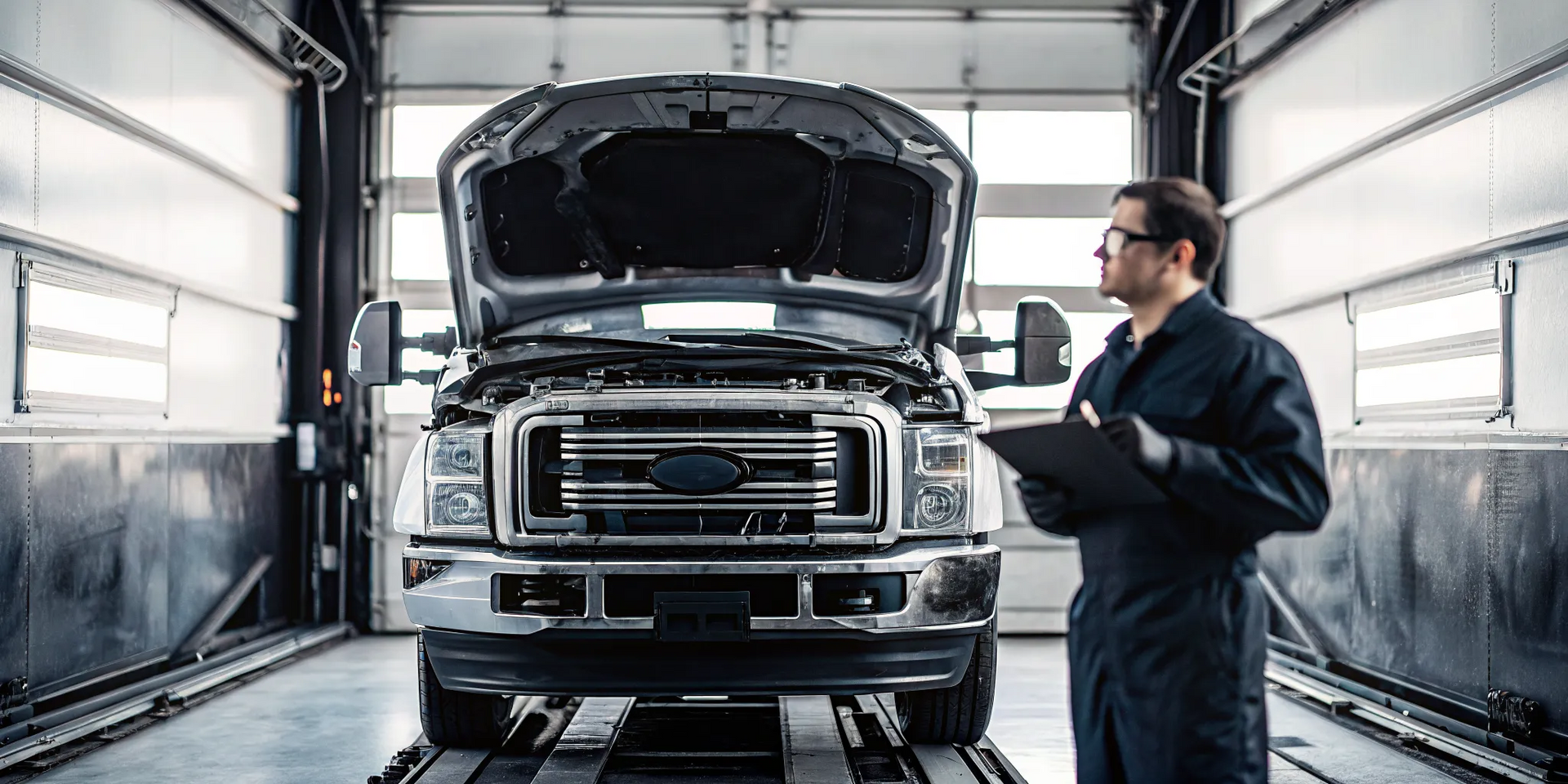
You wouldn’t ask your family doctor to perform heart surgery, and the same logic applies to vehicle repair. While a general auto mechanic is an expert on the gasoline engine in your car, a diesel engine is a completely different and more complex system. It requires a specialist who understands its unique mechanics, from its high-compression operation to its intricate fuel systems. This is where a diesel mechanic comes in. They are the surgeons of the heavy-duty vehicle world, possessing the specific knowledge and tools to diagnose, repair, and maintain these powerful workhorses. This article breaks down exactly what they do and why their expertise is so essential.
Key Takeaways
- Diesel Mechanics are Engine Specialists: They possess a distinct set of skills for the powerful, high-compression engines found in trucks, buses, and heavy equipment, which is different from the work of a general auto mechanic.
- Training is Hands-On and Practical: The path to becoming a diesel mechanic is built on focused education from a trade school or community college, followed by professional certifications to prove your expertise.
- Success Blends Technical Skill with Adaptability: A long career in this field requires physical stamina, sharp problem-solving abilities, and a commitment to continuous learning to keep up with evolving engine technology.
What Is a Diesel Mechanic?
You've probably heard the term, but what exactly is a diesel mechanic? In short, diesel mechanics, also known as diesel technicians, are skilled professionals who specialize in the inspection, maintenance, and repair of diesel engines. Think of them as specialists, like a cardiologist in the medical world. While a general auto mechanic has a broad knowledge of gasoline engines, a diesel mechanic has deep expertise in the powerful, high-compression engines that run our economy. They're the experts who keep the engines in many of our largest and hardest-working vehicles operating safely and efficiently. Here at Dick Adams Auto, we service all kinds of vehicles, and we have a huge appreciation for the specialized knowledge required to work on different engine types. Diesel technicians possess a unique set of skills tailored specifically to the demands of diesel power, making them essential to keeping key industries moving.
The Engines and Vehicles They Service
Diesel engines are the workhorses of the modern world, and you can find them in a huge range of vehicles and machinery. These mechanics work on much more than just big rigs. According to the U.S. Bureau of Labor Statistics, diesel technicians are responsible for fixing and maintaining everything from the school buses that carry our kids to the 18-wheelers that stock our local grocery stores. Their work is critical in fields like transportation, agriculture, and construction. On any given day, they might be working on a farm tractor, a city bus, or a massive piece of construction equipment. They are the backbone that keeps these powerful, essential machines in top condition.
A Day in the Life: Responsibilities and Tasks
A diesel mechanic's day is a dynamic mix of problem-solving and hands-on work. A huge part of the job is playing detective, using specialized diagnostic tools to pinpoint complex engine issues. Their daily responsibilities can include repairing transmissions and drivetrains, maintaining critical air brake systems, and ensuring all components are functioning correctly. Beyond major fixes, they also perform all the routine maintenance tasks that keep an engine healthy, like oil changes and filter replacements. They also keep meticulous records of every inspection and repair, creating a detailed service history for each vehicle. It’s a physically demanding job that requires a sharp mind and a steady, skilled hand.
What Does a Diesel Mechanic Do?
A diesel mechanic’s job is a fascinating blend of high-tech diagnostics, hands-on skill, and preventative care. They are the specialists who keep our diesel-powered world moving, from commercial trucks and buses to heavy machinery. Their work isn't just about fixing what's broken; it's about understanding the intricate systems of a diesel engine and ensuring it runs efficiently and reliably for years to come. Think of them as part detective, part surgeon for some of the most powerful engines on the road. Their daily tasks can swing from routine maintenance that prevents major issues to complex overhauls that bring a tired engine back to life. It’s a dynamic role that requires a deep understanding of everything from fuel systems to electronics.
Diagnosing and Troubleshooting Problems
When a diesel vehicle isn't running right, the mechanic's first job is to play detective. They use advanced diagnostic tools to connect with the vehicle's computer, read error codes, and pinpoint the source of the trouble. This process is much more than just plugging in a machine; it involves interpreting data, listening for unusual sounds, and using their experience to understand the symptoms. Whether it's a loss of power, strange noises, or a warning light on the dash, they systematically work through the possibilities to find the root cause. This critical first step ensures that the right repair is made the first time, saving you time and money. Our shop provides expert auto diagnostics services to get to the heart of any issue quickly.
Performing Preventive Maintenance
The old saying "an ounce of prevention is worth a pound of cure" is the mantra of a good diesel mechanic. A huge part of their job is performing routine maintenance to keep engines in top condition and prevent breakdowns. This includes essential tasks like regular oil change services, rotating tires, checking and flushing fluids, and inspecting belts and hoses for wear. By catching small issues before they become big problems, preventive maintenance extends the life of the vehicle, improves fuel efficiency, and ensures safety on the road. A consistent maintenance schedule is the best way to protect your investment and avoid unexpected, costly repairs.
Handling Major Repairs and Overhauls
Beyond diagnostics and maintenance, diesel mechanics tackle the big jobs. When a major component fails, they are the ones who perform complex repairs and even complete engine overhauls. Their work can involve repairing or replacing transmissions, fixing air brake systems, and addressing issues within the drivetrain. This requires disassembling engine components, replacing broken parts with precision, and reassembling everything to exact specifications. These major repairs demand a high level of skill, technical knowledge, and attention to detail. From comprehensive engine repair services to intricate transmission work, a skilled mechanic can handle the most demanding jobs to get a vehicle back in service.
What Training Do You Need to Become a Diesel Mechanic?
If you’re interested in becoming a diesel mechanic, you’re probably wondering what kind of training is involved. The good news is that you don’t need a four-year university degree to get started. Instead, the path is focused on practical, hands-on education that gives you the specific skills you need to work on complex diesel engines. It’s a journey that starts with a solid high school education and progresses into specialized programs that combine classroom learning with real-world shop experience. From there, professional certifications help you stand out and prove your expertise. Think of it as building your career step-by-step, with each stage adding another layer of knowledge and capability. This approach ensures you’re ready to tackle any challenge that rolls into the garage.
High School Foundations
Your journey begins with a high school diploma or a GED, as this is the minimum requirement for entry into the field. While you’re in school, you can get a significant head start by focusing on subjects that will build a strong foundation for your future training. Classes in math, physics, and electronics are incredibly helpful for understanding the complex mechanical and electrical systems in modern diesel engines. If your school offers any automotive or shop classes, make sure to sign up. This early, hands-on experience is invaluable. It not only gives you a feel for the work but also shows trade schools and future employers that you’re serious about the profession. According to the U.S. Bureau of Labor Statistics, many employers prefer candidates with some formal training beyond high school.
Trade School and College Programs
After graduating, the next logical step is to enroll in a diesel technology program at a trade school or community college. This is where you’ll really dive into the specifics of diesel engines. These programs are designed to give you a comprehensive education, blending classroom instruction with extensive hands-on training in a shop environment. You’ll learn everything from engine theory and fuel systems to diagnostics and electrical troubleshooting. Programs like those offered at Universal Technical Institute are structured to equip you with the skills needed to service and repair a wide variety of diesel vehicles and heavy equipment. This specialized education is crucial for building the confidence and competence to succeed from day one on the job.
Earning Certifications and Continuing Your Education
While certifications aren't always mandatory to get a job, they are a fantastic way to advance your career. Think of them as a professional stamp of approval that validates your skills and knowledge to employers. The most respected credentials in the industry come from the National Institute for Automotive Service Excellence (ASE). Earning an ASE certification in areas like Medium-Heavy Truck proves you have a high level of expertise and can lead to better job opportunities and higher pay. The world of diesel technology is constantly evolving, so your education doesn’t stop once you land a job. Committing to ongoing learning to stay current with new engine designs and diagnostic tools is key to a long and successful career.
What Skills Do You Need to Succeed?
Becoming a great diesel mechanic takes more than just a love for big engines. It’s a unique blend of technical know-how, sharp thinking, and practical skills. If you're considering this career, focusing on these key areas will set you up for success and help you build a reputation for reliable, high-quality work. It’s about having the right tools in your toolbox and the right skills in your head.
Technical Expertise
At its core, this job is all about technical skill. You’ll be responsible for maintaining and repairing vehicles with diesel engines, from commercial trucks and buses to heavy construction equipment. This means you need a deep understanding of how these complex systems work. Your day-to-day tasks will involve inspecting parts, running diagnostic tests to pinpoint problems, and performing everything from basic oil changes to complete engine repairs. A solid technical foundation is the bedrock of your career, allowing you to work confidently and efficiently on any vehicle that rolls into the shop.
Problem-Solving and Analytical Skills
A diesel engine can feel like a complex puzzle, and a good mechanic is an expert problem-solver. When a driver brings in a truck with a mysterious issue, you’ll need to think critically to figure out the root cause. This involves more than just reading a code; it requires you to analyze symptoms, troubleshoot potential failures, and develop a clear plan for the repair. Strong analytical skills are essential for effective auto diagnostics, helping you move from a vague complaint to a precise solution and get the vehicle back on the road safely.
Physical Stamina and Communication
This is a physically demanding job. You'll spend a lot of time on your feet, working in different positions, and lifting heavy parts and equipment. Having good physical stamina will help you handle the daily rigors of the shop. Just as important, however, are your communication skills. You need to be able to explain complex mechanical issues to customers in a way they can understand, building trust and ensuring they feel confident in your work. Clear communication with your team is also key to a smooth and efficient workflow in any busy garage.
How Much Do Diesel Mechanics Earn?
Thinking about a career as a diesel mechanic often brings up an important question: what can you expect to earn? Like many skilled trades, the answer isn't a single number. A diesel mechanic's salary depends on a mix of factors, including where you live, the industry you work in, and the experience you bring to the table. Understanding these variables can give you a clearer picture of your potential income and career path in this hands-on profession.
Salary Expectations and Job Outlook
So, let's talk numbers. According to the U.S. Bureau of Labor Statistics, the average pay for diesel mechanics is around $60,640 per year, which breaks down to about $29.15 an hour. While the job growth is projected to be a bit slower than the average for all occupations, don't let that discourage you. The field is expected to have about 26,500 job openings each year. This is often due to experienced mechanics retiring or moving into different roles, creating consistent opportunities for new people to enter the profession and build a stable career.
How Location and Industry Affect Pay
Where you work plays a big role in your paycheck. A mechanic in a busy urban center might earn more than one in a rural area due to a higher cost of living and greater demand. The type of company you work for matters, too. While many diesel mechanics work for truck transportation companies or in automotive repair shops, the highest-paying jobs are often found elsewhere. For example, mechanics working for local governments can earn an average of $67,710, while those in wholesale trade average around $62,370. Exploring different industries can open up higher-paying opportunities.
Benefits and Opportunities for Advancement
Your starting salary is just that: a start. You can significantly increase your earning potential over time by investing in your skills. One of the best ways to do this is by earning industry certifications. Credentials from respected organizations like the National Institute for Automotive Service Excellence (ASE) prove your expertise and can lead to better pay and more responsibilities. Employers also value formal training, so completing a diesel technology program at a trade school or community college can make you a more competitive candidate right from the beginning. Continuous learning is key to advancing in this field.
What Are the Working Conditions Like?
If you’re picturing a career as a diesel mechanic, you’re probably imagining a dynamic, hands-on environment, and you’d be right. This job is a world away from a desk and a computer screen. It’s a profession that blends physical work with sharp problem-solving in a setting that’s always active. Technicians are surrounded by powerful machinery and sophisticated technology, requiring a deep commitment to safety and precision. It’s a challenging but rewarding atmosphere where you can see the direct results of your hard work every day.
Physical Demands and Safety Protocols
Being a diesel mechanic is a physically active role. The job involves lifting heavy parts, working in awkward positions, and spending most of the day on your feet. Because of these physical requirements, minor injuries like sprains or cuts can occur, which is why following strict safety protocols is so important. A professional shop always puts safety first, providing the right equipment and training to handle even the most demanding tasks, like complex engine repairs. It’s a career that rewards a careful and methodical approach, ensuring everyone stays safe while keeping important vehicles on the road.
Common Work Environments and Schedules
Most diesel mechanics work in repair shops, which are typically well-aired but can be noisy with the sounds of engines and tools. While the shop is the main base of operations, some jobs may require making repairs on the road or at a client’s location. A full-time schedule is standard, but since vehicle breakdowns don’t follow a 9-to-5 schedule, working evenings or weekends is often part of the job. Many shops offer extended hours to better serve their customers, so having a flexible schedule is a definite advantage in this line of work.
The Tools and Technology You'll Use
The classic wrench is still a staple, but a modern mechanic’s toolbox is filled with much more. Today’s diesel engines rely heavily on complex electronic systems, so technicians use advanced technology every day. Alongside traditional hand and power tools, they use computers and specialized diagnostic equipment to communicate with a vehicle’s internal systems and accurately identify problems. This means a successful mechanic is just as skilled at interpreting digital data as they are at performing a hands-on repair. The job requires a unique mix of mechanical skill and tech-savvy expertise to service today’s powerful vehicles.
Diesel Mechanic vs. Auto Mechanic: What's the Difference?
While you might hear the terms "diesel mechanic" and "auto mechanic" used interchangeably, they are distinct professions with unique specializations. Both are experts at keeping vehicles running smoothly, but the types of engines and systems they work on are fundamentally different. Understanding this distinction can help you find the right technician for your car, truck, or fleet. At our shop, we have a deep appreciation for the specialized skills each type of mechanic brings to the garage.
An auto mechanic is who you’ll typically visit for your family car or SUV. They are trained to work on gasoline-powered engines and the intricate systems that support them, from the electrical wiring to the air conditioning. A diesel mechanic, however, focuses on the powerful engines found in larger trucks, buses, and construction equipment. These engines operate on entirely different principles, requiring a specific skill set and diagnostic approach. Think of it like the difference between a general family doctor and a heart surgeon; both are medical experts, but their areas of focus are highly specialized. Knowing who to turn to ensures your vehicle gets the precise care it needs to perform its best, preventing misdiagnoses and ensuring long-term reliability on the road.
Different Systems, Different Tools
The biggest difference comes down to the type of engine each mechanic services. An auto mechanic typically works on gasoline-powered engines, the kind you find in most passenger cars, SUVs, and light trucks. They handle everything from routine oil changes to complex engine repairs on these systems.
On the other hand, diesel mechanics specialize in vehicles that run on diesel fuel. As the U.S. Bureau of Labor Statistics notes, they "inspect, repair, and overhaul buses, trucks, or any vehicle with a diesel engine." Because diesel engines use high compression to ignite fuel instead of spark plugs, their components and diagnostic processes are completely different. This requires a specialized set of tools and knowledge to service them correctly.
Unique Training and Certification Paths
The journey to becoming a mechanic also looks different for each specialty. While both paths usually start after high school, aspiring diesel mechanics often enroll in a dedicated diesel technology program at a trade school to get hands-on training.
From there, certifications diverge. The industry standard for both fields is certification from Automotive Service Excellence (ASE), but the tests are specific. An auto mechanic would pursue certifications for cars and light trucks, while a diesel mechanic would aim for the ASE Medium-Heavy Truck Certification. Earning these credentials demonstrates a high level of expertise and is a great indicator that your vehicle is in capable hands.
What Are the Challenges of the Job?
Like any skilled trade, being a diesel mechanic comes with its own set of challenges. These aren't meant to discourage you, but to give you a realistic picture of the profession. Knowing what to expect can help you prepare for a long and successful career. From staying current with new technology to handling the physical demands of the garage, here’s a look at what you’ll face on the job.
Keeping Pace with Technology
Modern diesel engines are more complex than ever. Gone are the days of purely mechanical systems; today’s engines are packed with sophisticated electronics and computer systems. This means the role of a diesel technician is constantly evolving. You’ll need to be comfortable using advanced computer diagnostic tools to pinpoint issues and understand intricate electronic controls. The key is a commitment to continuous learning. Staying curious and keeping up with the latest industry training will ensure you’re always prepared for the next generation of vehicles that roll into the shop. It’s a challenge that keeps the work interesting and your skills sharp.
Meeting the Physical and Safety Demands
Working as a diesel mechanic is a physical job. You’ll spend a lot of time on your feet, lifting heavy parts, and working in tight or uncomfortable positions. This can lead to strains, sprains, and other common injuries if you’re not careful. That’s why maintaining good physical fitness and following safety protocols are non-negotiable. According to the U.S. Bureau of Labor Statistics, being mindful of your body and your surroundings is key to preventing injuries. Wearing the right protective gear and using proper lifting techniques will help you stay safe and healthy throughout your career.
Understanding the Job Market and Industry Shifts
Headlines might focus on the rise of electric vehicles, but the demand for skilled diesel technicians remains steady. The industry is changing, but diesel engines aren't disappearing anytime soon, especially in long-haul trucking. The job market outlook shows that while overall growth may be slow, thousands of positions open up each year as experienced mechanics retire or move into different roles. This creates consistent opportunities for new technicians entering the field. Your skills will be needed to service and perform engine repairs on the vast number of diesel vehicles already on the road. Staying aware of these industry trends helps you see the long-term stability in this career path.
What Career Paths Can You Take?
Becoming a diesel mechanic is more than just a job; it’s the start of a dynamic career with many avenues for growth. The skills you develop are in high demand across several essential industries, giving you flexibility and security. Whether you want to become a go-to expert in a specific niche or lead a team of your own, this profession provides a solid foundation to build on.
As you gain experience, you can steer your career in the direction that best fits your ambitions. You might find you love the hands-on work with a particular type of engine, or you may discover a talent for managing projects and mentoring others. The path you choose is up to you, with plenty of opportunities to advance and take on new challenges.
Opportunities to Specialize
One of the most exciting aspects of being a diesel mechanic is the chance to specialize. Diesel engines power our world, so your skills are needed in transportation, agriculture, construction, and more. You could find yourself working on anything from semi-trucks and city buses to bulldozers, cranes, and farm equipment. This variety allows you to focus on an area that truly interests you, making you an invaluable expert in that field.
To formally demonstrate your skills, you can pursue certifications from organizations like the National Institute for Automotive Service Excellence (ASE). Earning these credentials shows employers that you have a high level of expertise, which can lead to better job opportunities and higher pay. Specializing helps you build a reputation as the person to call for specific, complex problems.
Leadership Roles and Entrepreneurship
If you have a knack for leadership, a career as a diesel mechanic can open doors to management roles. Modern diesel engines are incredibly complex, requiring a deep understanding of electronic systems and advanced computer diagnostic tools. Technicians who master these technologies and have strong communication skills are prime candidates for promotion. As experienced mechanics retire, there will be a growing need for new leaders to step up.
With experience, you could become a shop foreman, a service manager, or even an operations director. There's also a strong path to entrepreneurship. The satisfaction of solving a difficult vehicle problem is immense, and for some, that leads to the dream of opening their own repair shop. Building a business based on expertise and trust is a challenging but incredibly rewarding way to shape your own future in the industry.
How to Get Started as a Diesel Mechanic
Ready to turn your interest in diesel engines into a career? Breaking into this field is a straightforward process that starts with a solid education and a commitment to hands-on learning. While it takes dedication, the path to becoming a skilled diesel mechanic is clear and rewarding. Whether you're just finishing high school or considering a career change, you can get started with a few key steps. Here’s a look at how you can build your foundation and gain the experience needed to succeed in this essential trade.
Your First Steps into the Profession
Your journey begins with a high school diploma or GED. From there, the best way to set yourself up for success is by enrolling in a specialized training program at a trade school or community college. While not always required, this formal education gives you a huge advantage. These programs combine classroom theory with the hands-on practice you need to understand complex diesel systems. According to the U.S. Bureau of Labor Statistics, most employers prefer to hire mechanics who have completed this type of postsecondary training. It provides a strong foundation and can shorten the time it takes to become proficient on the job.
Gaining Experience and Developing Your Skills
Once you have your education, the next step is to get real-world experience. On-the-job training is where you’ll truly sharpen your skills, learning to diagnose and repair engines in a professional setting. Look for internships or entry-level positions to apply what you’ve learned and start building your network. As you gain experience, consider earning industry certifications from organizations like the National Institute for Automotive Service Excellence (ASE). These credentials prove your expertise in specific areas, from electrical systems to drivetrains. Certifications not only make you a more competitive job candidate but can also lead to better pay and more opportunities for advancement down the road.
Related Articles
- Engine Repair Services in Salinas, CA | Dick Adams Auto
- Fuel System Services in Salinas, CA | Dick Adams Auto
- Oil Change in Salinas: What to Expect & How to Choose the Right Shop
- Emission & Exhaust System Services in Salinas, CA | Dick Adams Auto
- Auto Repair in Salinas, CA | Dick Adams Auto
Frequently Asked Questions
What’s the real difference between a diesel mechanic and a regular auto mechanic? Think of it like the difference between a general practitioner and a specialist. A regular auto mechanic is your go-to for gasoline-powered cars and light trucks. A diesel mechanic, however, specializes in the powerful, high-compression engines found in larger vehicles like commercial trucks, buses, and construction equipment. Because these engines work differently, they require a unique set of tools, diagnostic techniques, and expertise.
Do I need a four-year college degree to become a diesel mechanic? No, you don't need a traditional four-year degree. The most common path starts with a high school diploma or GED, followed by specialized training at a trade school or community college. These programs focus on giving you the specific, hands-on skills you need to work on complex diesel systems, which is what most employers look for.
Is this a good career choice with electric vehicles on the rise? Absolutely. While the vehicle landscape is changing, diesel engines are not going away anytime soon, especially in industries like long-haul trucking, shipping, and construction. The existing fleet of diesel vehicles is massive and will need skilled technicians for service and repairs for many years. Plus, thousands of jobs open up each year as experienced mechanics retire, creating steady opportunities for new people entering the field.
What kind of skills do I need to be successful in this job? Beyond a strong technical understanding of engines, you need to be a great problem-solver. A lot of the job involves playing detective to figure out what’s wrong with a vehicle. It also helps to have good physical stamina, as the work can be demanding. Finally, being able to clearly explain complex issues to customers and coworkers is a crucial skill that will set you apart.
How much can I expect to earn as a diesel mechanic? Your salary will depend on a few things, like your location, experience level, and the industry you work in. On average, you can expect to make around $60,000 a year. You can increase your earning potential significantly by gaining experience and earning professional certifications, which prove your expertise and make you more valuable to employers.