How Much Is a Catalytic Converter Replacement? A Guide
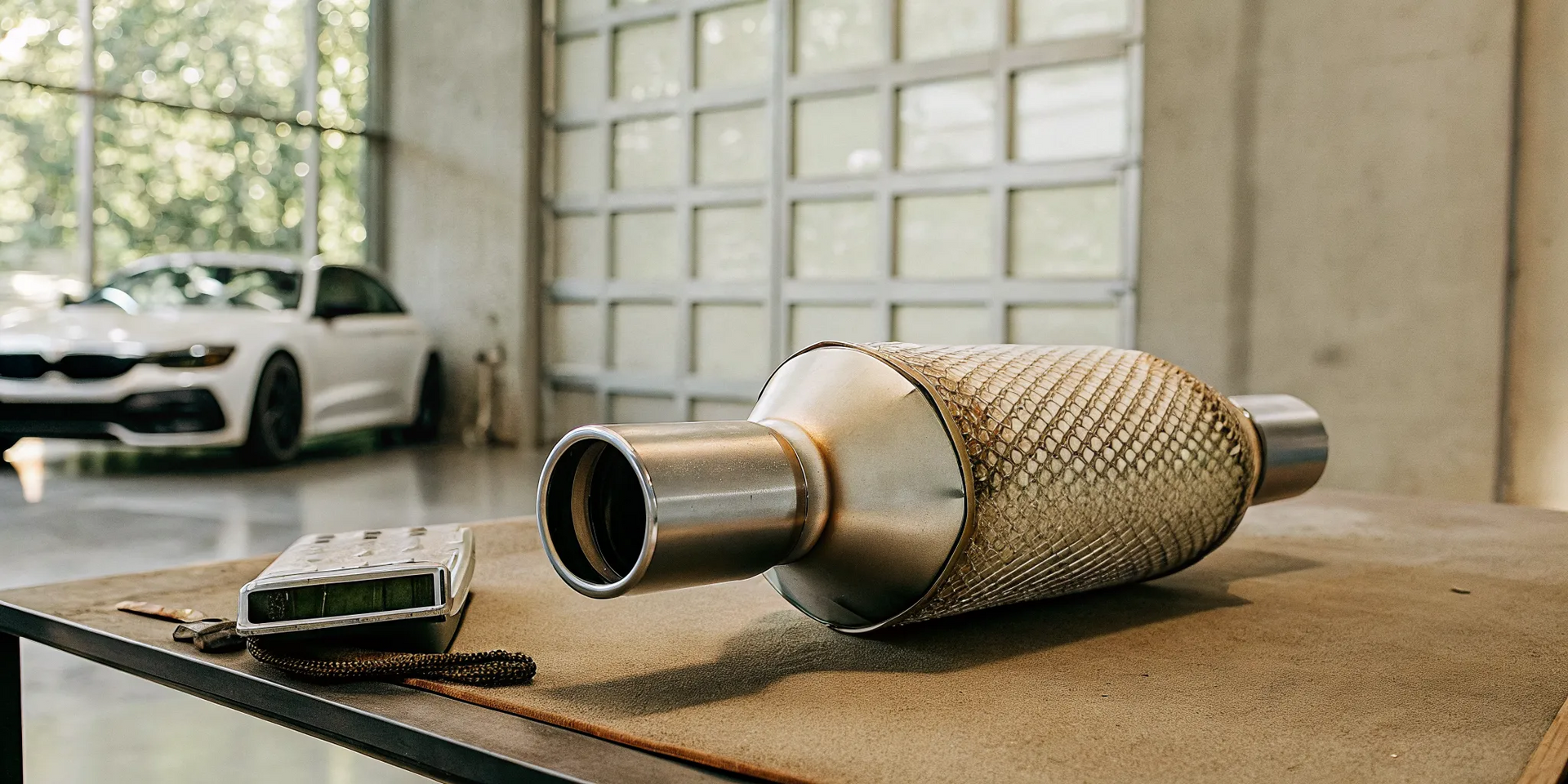
You’ve likely seen the headlines about the rise in catalytic converter theft. Thieves target this specific part because of the valuable precious metals inside, leaving car owners with a sudden and expensive problem to solve. Whether your converter was stolen or is simply failing from wear and tear, the financial hit is a major concern. This leads everyone to the same question: how much is a catalytic converter replacement? We’ll cover the full cost breakdown, what signs to look for if you suspect a problem, and even offer some practical tips on how to protect your new converter from becoming a target.
Key Takeaways
- A working converter is essential: Your car needs a functional catalytic converter to run efficiently and pass California's mandatory smog check. Driving with a faulty one can lead to serious engine damage, failed emissions tests, and potential fines.
- Manage costs by being proactive: The price of a replacement depends on your vehicle, location, and the parts you choose. You can find a fair price by getting multiple quotes, checking your warranty coverage, and discussing part options with a trusted mechanic.
- Know the warning signs and protect your new part: A sluggish engine, rattling sounds, or a check engine light are all signs of a problem. After a replacement, help your new converter last by using anti-theft devices and keeping up with regular vehicle maintenance.
What Is a Catalytic Converter and Why Do You Need One?
Think of a catalytic converter as your car's personal air purifier. It’s a critical part of your vehicle's exhaust system, and its main job is to clean up the harmful gases your engine produces. Before those fumes exit your tailpipe, the catalytic converter transforms them into less toxic substances. This process is essential for protecting our air quality here in Salinas and making sure your car meets California's strict environmental regulations. Without a working one, your car pollutes more, performs poorly, and won't pass an emissions test. It's a small part that plays a huge role in your car's health and its impact on our community.
How It Works
So, what’s happening inside that metal canister? The magic is in its honeycomb-like interior, which is coated with a mix of precious metals like platinum, palladium, and rhodium. As hot exhaust gases flow through this structure, these metals trigger a chemical reaction. This reaction converts toxic pollutants, including carbon monoxide and nitrogen oxides, into much safer emissions like carbon dioxide and nitrogen. The efficiency of this process is key not only for the environment but also for your car's overall performance. A clogged or failing converter can restrict exhaust flow, leading to a noticeable drop in power and fuel economy.
Why It's Required by Law
Having a functional catalytic converter isn't just a good idea; it's the law. To combat air pollution, environmental agencies have mandated their use to help vehicles meet specific emissions standards. These rules are in place to protect public health and keep our air cleaner. If your car's catalytic converter is missing or not working correctly, you could face significant fines and penalties, especially in California. More importantly, you won't be able to pass your required smog check, which means you won't be able to register your vehicle. It’s a non-negotiable component for any road-legal car.
How Much Does Catalytic Converter Replacement Cost?
Figuring out the cost of a catalytic converter replacement can feel a bit like hitting a moving target. The final price tag depends on your car, the parts you choose, and even where you live. Generally, you can expect the total cost to fall somewhere between $2,177 and $2,506, but that’s a wide range for a reason. Let's break down the numbers so you have a clearer picture of what to expect before you head to the shop. Understanding these factors will help you feel more confident when you get a quote for your vehicle’s specific needs.
Average Cost by Vehicle Type
The kind of car you drive is one of the biggest factors in determining the replacement cost. A small sedan will often have a different price point than a large truck. For example, replacing the converter on a 2020 Toyota Camry might cost between $1,255 and $1,795. For a 2018 Ford F-150, however, the replacement cost could be anywhere from $945 to over $3,400. This variation comes down to the size and complexity of the exhaust system, the specific converter required by the manufacturer, and the precious metals inside it.
Breaking Down Parts and Labor Costs
The total bill is a mix of parts and labor. The catalytic converter itself makes up the bulk of the expense, with parts ranging from a few hundred dollars to over $2,500. Labor costs for the installation typically run from $70 to $130 per hour. The first step is always a thorough check to confirm the converter is the problem, which is why professional auto diagnostics services are so important. An accurate diagnosis ensures you’re only paying for the repairs you truly need and not just guessing at the issue.
How Your Location Affects the Price
Living in California means our cars have to meet some of the strictest environmental standards in the country. Because of this, you’ll need a special "CARB-legal" catalytic converter that’s approved for use here. These parts are often more expensive than the 49-state federal versions. This requirement is a major reason why replacement costs can be higher in Salinas than in other parts of the country. When you need a replacement, it’s crucial to work with a shop that understands these local regulations to ensure your car passes its next smog check.
What Factors Influence the Replacement Cost?
When you get a quote for a catalytic converter replacement, you might wonder why the price can vary so much. The final cost isn't a simple, one-size-fits-all number. It depends on a few key things, from the car you drive to the specific parts used for the repair. Understanding these factors can help you see exactly what you're paying for and why it's important to get the job done right. Let's break down the main elements that will influence your total bill.
Your Vehicle's Make and Model
The type of car you drive is one of the biggest factors in determining the cost. Luxury brands, high-performance vehicles, and even some newer trucks often have more complex exhaust systems. This means their catalytic converters are specially designed and can be more expensive to produce. For example, a direct-fit converter for a standard sedan might be a few hundred dollars, while one for a high-end SUV could cost over $2,000. The complexity can also affect labor time, as a technician may need more time to access and replace the part on certain models.
OEM vs. Aftermarket Parts
You'll also have a choice between OEM and aftermarket parts. OEM stands for Original Equipment Manufacturer, meaning the part is made by the same company that built your car. These parts are a guaranteed fit but usually come with a higher price tag. Aftermarket parts are made by third-party companies and are often more affordable. While they can be a great way to save money, quality can vary. A trusted auto shop can help you find a reliable aftermarket part that performs well without the OEM cost, ensuring your engine repair services are both effective and economical.
Direct-Fit vs. Universal Converters
Within the world of replacement parts, you’ll find direct-fit and universal catalytic converters. A direct-fit converter is designed to bolt right onto your specific vehicle without any modifications, making installation quick and straightforward. A universal converter, on the other hand, is designed to fit a wide range of vehicles. It's usually much cheaper, but it often requires cutting and welding to install properly, which can increase labor costs. The best option depends on your vehicle and budget, but a direct-fit part is typically the most reliable choice for a perfect fit and function.
California's Strict Emissions Standards (CARB)
If you live in Salinas, this factor is especially important. California has some of the strictest air quality regulations in the country, enforced by the California Air Resources Board (CARB). This means any vehicle registered here must be fitted with a CARB-compliant catalytic converter. These converters are built to a higher standard and undergo more rigorous testing, which makes them more expensive than the 49-state federal versions. While it adds to the cost, installing a CARB-legal part is required by law and ensures your vehicle meets state emission and exhaust system requirements.
Signs Your Catalytic Converter Is Failing
Your car is pretty good at telling you when something’s wrong, and a failing catalytic converter is no exception. You just have to know what to look and listen for. The most common clues are a drop in your car's performance, some unusual noises, and that dreaded check engine light. Catching these issues early can save you from bigger headaches, like failing an emissions test or causing more damage to your vehicle's emission and exhaust system services.
Poor Engine Performance
One of the first things you might notice is that your car just doesn’t feel right. It might seem sluggish when you press the gas or struggle to accelerate like it used to. This happens because a failing catalytic converter can become clogged, creating a blockage in your exhaust system. Your engine has to work much harder to push exhaust gases out, which robs it of power. You might feel this most when you’re trying to merge onto the highway or climb a hill. Ignoring this can put serious strain on your motor, potentially leading to the need for engine repair services.
Strange Sights and Sounds
Your ears can be a great diagnostic tool. If you hear a rattling sound coming from under your car, especially when you first start it or when it’s idling, that’s a classic sign of a bad catalytic converter. The noise is often caused by the honeycomb-like mesh inside the converter breaking apart. In more severe cases, a mechanic might see the converter itself glowing red-hot after the car has been running. This means it’s overheating because it can’t process the unburned fuel in the exhaust, which is a serious issue that needs immediate attention from a professional.
Dashboard Warning Lights
The check engine light is your car’s way of saying, “Hey, something’s not right here.” While this light can signal a wide range of issues, from a loose gas cap to a major engine problem, a failing catalytic converter is a very common trigger. Your car’s onboard computer monitors the converter’s efficiency, and if it detects a problem, it will illuminate the light to warn you. Don’t ignore it. The best way to know for sure is to have a professional run a check with their auto diagnostics services to read the specific error code and pinpoint the exact problem.
Can You Drive with a Bad Catalytic Converter?
So, your car is showing signs of a failing catalytic converter, and you're wondering if you can just keep driving it for a while. The short answer is: it's a really bad idea. While your car might still technically run, ignoring the problem will lead to bigger, more expensive issues. A faulty catalytic converter doesn't just hurt the environment; it can damage your engine, get you in trouble with the law, and prevent you from passing your required emissions test.
Think of that check engine light as a final warning. Continuing to drive with a bad converter means you're risking serious mechanical failures and legal penalties, especially here in California. The best move is to address the problem head-on. Getting a professional diagnosis can save you from a world of hurt later, ensuring your vehicle is safe, legal, and running smoothly. If you suspect an issue, it's time to have your emission and exhaust system inspected by a trusted mechanic.
Failing Your Emissions Test
A catalytic converter’s primary job is to convert harmful pollutants in your exhaust into less toxic substances. When it fails, your car’s emissions skyrocket. In California, where we have some of the strictest environmental regulations in the country, this is an immediate problem. A vehicle with a malfunctioning catalytic converter has zero chance of passing the state's mandatory smog check.
Failing an emissions test means you won't be able to renew your vehicle's registration, making it illegal to drive on public roads. It’s a non-negotiable part of vehicle ownership here. Before you find yourself stuck with a car you can't legally drive, it's crucial to get the issue resolved.
Facing Fines and Penalties
Because a functioning catalytic converter is required by law, driving without one can lead to significant fines and penalties. If you're pulled over and an officer determines your vehicle's emissions system has been tampered with or is non-functional, you could be looking at a hefty ticket. This is separate from the issues you'll face with vehicle registration after a failed smog check.
Ultimately, the cost of a potential fine often outweighs the cost of the repair itself. It’s a financial gamble that just doesn’t make sense. Instead of risking penalties, investing in a proper repair keeps you compliant with the law and gives you peace of mind on the road.
Risking Long-Term Engine Damage
Perhaps the most compelling reason to fix a bad catalytic converter immediately is to protect your engine. A failing converter can become clogged, creating a blockage in your exhaust system. This blockage causes extreme backpressure, which forces hot exhaust gases back into the engine's combustion chambers.
This backpressure can lead to a whole host of problems, including overheating, decreased horsepower, terrible fuel economy, and eventually, irreversible engine damage. What starts as an exhaust issue can quickly turn into a need for major engine repairs. Putting off the replacement is a surefire way to turn a manageable repair into a catastrophic and costly one.
How to Save Money on a Replacement
Facing a big car repair bill is never fun, especially when it’s unexpected. A catalytic converter replacement is one of those pricier jobs, but that doesn't mean you're out of options. With a little research and some smart questions, you can find ways to manage the cost without cutting corners on quality or safety. The key is to understand what you're paying for and to explore all the avenues available to you. From comparing quotes to checking your warranty, taking a proactive approach can make a real difference to your wallet. Let's walk through a few practical steps you can take to make this necessary repair more affordable.
Get a Few Quotes
When you're looking at a significant repair, it pays to shop around. Don't just go with the first price you hear. Call a few different auto shops in the Salinas area to compare prices for both the catalytic converter itself and the labor to install it. A reputable mechanic will be happy to provide a detailed breakdown of the costs. This transparency helps you understand exactly what you're paying for and ensures there are no surprises later. Getting multiple quotes gives you the power to make an informed decision and find a fair price for a quality emission and exhaust system service.
Understand Your Warranty Options
Before you pay out of pocket, take a moment to check your car's warranty coverage. If your vehicle is relatively new, the catalytic converter might still be covered under the manufacturer's emissions warranty. For older cars, you might have an extended warranty or what's known as a vehicle service contract. These plans can often help cover the high costs of unexpected repairs. Dig out your policy documents or call your provider to see if a catalytic converter replacement is included. It’s a quick check that could end up saving you hundreds, or even thousands, of dollars.
Repair vs. Replace: What's Possible?
Unfortunately, a failing catalytic converter usually needs to be replaced rather than repaired. The real choice comes down to the type of part you use: OEM or aftermarket. OEM (Original Equipment Manufacturer) parts are made by your car's manufacturer, while aftermarket parts are made by third-party companies. Aftermarket converters are often cheaper, but they may not last as long or meet California's strict emissions standards. A cheaper part that fails quickly isn't a good deal in the long run. A professional technician can help you weigh the pros and cons and choose a reliable part that fits your budget and keeps your car running cleanly.
How to Protect Your New Catalytic Converter
Once you’ve replaced your catalytic converter, you’ll want to make sure the new one lasts as long as possible. Protecting your investment involves two key things: preventing theft and keeping up with regular vehicle maintenance. Taking a few proactive steps can save you from dealing with this expensive repair a second time.
Prevent Catalytic Converter Theft
Catalytic converter theft is a real concern for vehicle owners because of the precious metals they contain. Thankfully, you can make your car a much less attractive target for thieves. Consider asking a mechanic about installing a protective shield or cage around the converter. This physical barrier makes it significantly more difficult and time-consuming to remove. Another smart move is to have your Vehicle Identification Number (VIN) etched onto the converter. This makes the part traceable and harder for thieves to sell. Simple habits, like parking in well-lit, high-traffic areas whenever possible, can also be an effective deterrent.
Simple Maintenance to Extend Its Life
Beyond preventing theft, proper vehicle maintenance is the best way to extend the life of your new converter. Issues like a misfiring engine or a faulty oxygen sensor can cause unburned fuel to enter the exhaust system, which can overheat and destroy the delicate materials inside the converter. The best defense is sticking to your car’s recommended service schedule. If you notice any signs of trouble, like a drop in fuel economy, sluggish acceleration, or your check engine light comes on, don’t ignore them. Getting a prompt auto diagnostics service can catch small problems before they lead to another expensive converter replacement.
Find a Professional for Your Replacement
Once you know your catalytic converter needs replacing, the next big step is finding the right hands to do the job. This isn't a repair you want to leave to just anyone. Choosing a skilled and trustworthy technician ensures the replacement is done correctly, using the right parts for your vehicle, and gives you peace of mind that you’re back on the road safely and legally. It’s about more than just the price; it’s about finding a partner you can rely on for quality work and honest advice.
How to Choose the Right Auto Shop
When you're looking for an auto shop, start by asking for a few quotes to get a clear picture of the costs for both the converter and the labor. This helps you understand the typical price range and spot any outliers. Look for a shop with a solid reputation in your community and technicians who are experienced with different makes and models. A team that can clearly explain the problem and the necessary repairs is a great sign. They should be able to walk you through why a specific part is needed for your car, especially if you live in an area with strict emission & exhaust system services standards.
What to Expect During the Service
Knowing what happens during the replacement can make the process feel less stressful. The good news is that the labor itself is often straightforward, sometimes taking just a couple of hours if the new part bolts on easily. Before any work begins, a technician will confirm the issue with a thorough check. This is a crucial first step in any auto diagnostics services. Remember, putting off this repair isn't a good idea. Driving with a faulty converter can harm your engine over time, will cause you to fail an emissions test, and could lead to fines. Getting it fixed promptly is the best move for your car and your wallet.
Related Articles
- Emission & Exhaust System Services in Salinas, CA | Dick Adams Auto
- Fuel System Services in Salinas, CA | Dick Adams Auto
- Engine Repair Services in Salinas, CA | Dick Adams Auto
- Auto Diagnostics Services in Salinas, CA | Dick Adams Auto
- Battery Services in Salinas, CA | Dick Adams Auto
Frequently Asked Questions
Why is a catalytic converter replacement so expensive? The high price tag is mostly due to the rare metals inside the converter. It uses materials like platinum, palladium, and rhodium to clean your car's exhaust, and these metals are very valuable. The cost of the part itself makes up the largest portion of the bill, especially since California requires converters built to a higher, more expensive standard.
My check engine light is on. Does that automatically mean my catalytic converter is bad? Not always, but it's a strong possibility. Your check engine light is a general warning that can point to many different issues, some simple and some complex. While a failing converter is a common reason for the light to come on, you can't know for sure without a professional diagnostic scan. This check reads the specific error code from your car's computer and tells a technician exactly what's wrong.
How long does the replacement service usually take? For most vehicles, replacing a catalytic converter is a fairly straightforward job that can be done in just a few hours. If the new part is a direct-fit model designed specifically for your car, a technician can often complete the work the same day. The process might take a bit longer if the old parts are rusted or if a universal converter is being fitted, which requires some custom work.
Is it really necessary to get a special "California-legal" converter in Salinas? Yes, it is absolutely required by law. California has its own strict air quality regulations, and any vehicle registered here must have a converter that is approved by the California Air Resources Board (CARB). Using a non-compliant part will cause your car to fail its smog check, and you won't be able to register it.
What's the best way to make my new catalytic converter last? The single best thing you can do is keep up with your car's regular maintenance. A healthy engine is the key to a long-lasting converter. Issues like engine misfires or faulty sensors can damage a new converter quickly by causing it to overheat. By addressing any engine performance problems right away, you protect your investment and ensure it functions properly for years.