What's the Real Cost to Replace Shocks and Struts?
If your car’s ride has gone from smooth to shaky, you’re probably starting to notice every little bump and crack in the road. That new bounciness, swaying around corners, or a nosedive when you brake are all classic signs that your shocks or struts are wearing out. Once you realize there’s a problem, the next logical question is always about the repair bill. Understanding the cost to replace shocks and struts is the first step toward getting your car back to driving safely and comfortably. This guide will break down all the factors that go into the final price, from parts and labor to why a wheel alignment is a non-negotiable final step.
Key Takeaways
- Understand the cost variables: The price for replacing shocks and struts isn't one-size-fits-all; it depends on your car's make, the parts used, and whether you need a wheel alignment. Always ask for a detailed quote to avoid surprises.
- Listen to your car's warning signs: A rough ride, unusual noises, or changes in handling mean your suspension needs a check-up. Acting on these signs early prevents further damage to other parts, like your tires, and keeps your repair costs down.
- Always replace in pairs for a balanced ride: To maintain safe handling and stability, shocks and struts should be replaced on the same axle together. This is a job best left to professionals who have the right tools to do it safely and correctly.
What Are Shocks and Struts, Anyway?
Ever hit a pothole and felt your car bounce a little too much? Or maybe you've noticed your ride isn't as smooth as it used to be. The parts responsible for keeping your drive comfortable and controlled are your shocks and struts. While people often use the terms interchangeably, they have distinct roles in your vehicle’s suspension.
Think of them as the key players in your car's steering and suspension system. Their main job is to absorb the impact from bumps, dips, and uneven roads. This keeps your tires firmly planted on the pavement, giving you better handling and a safer ride. A shock absorber is a standalone component that dampens the bouncing motion of your car's springs. It’s a hydraulic part that controls energy from bumps but doesn't support the vehicle's weight.
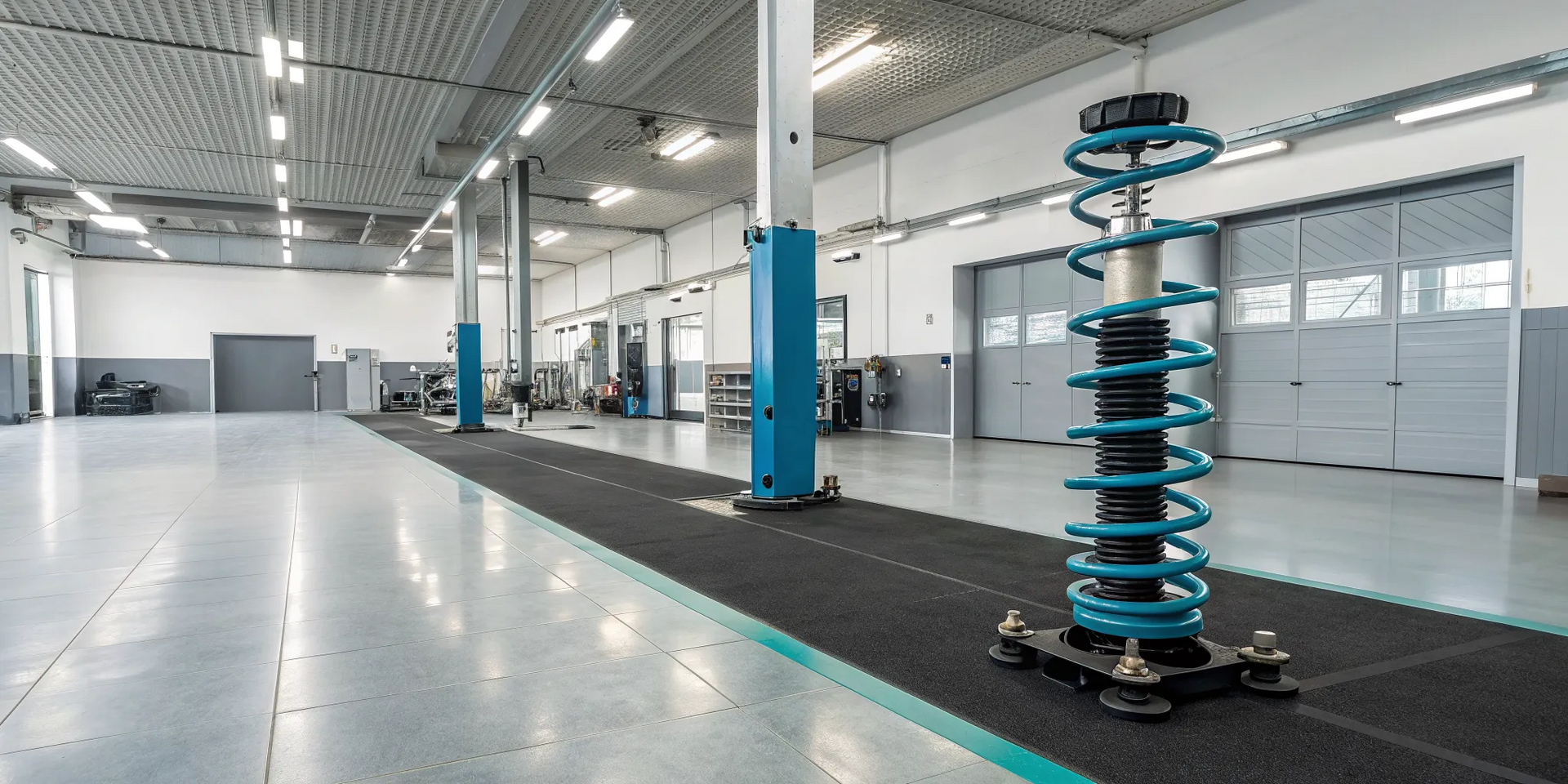
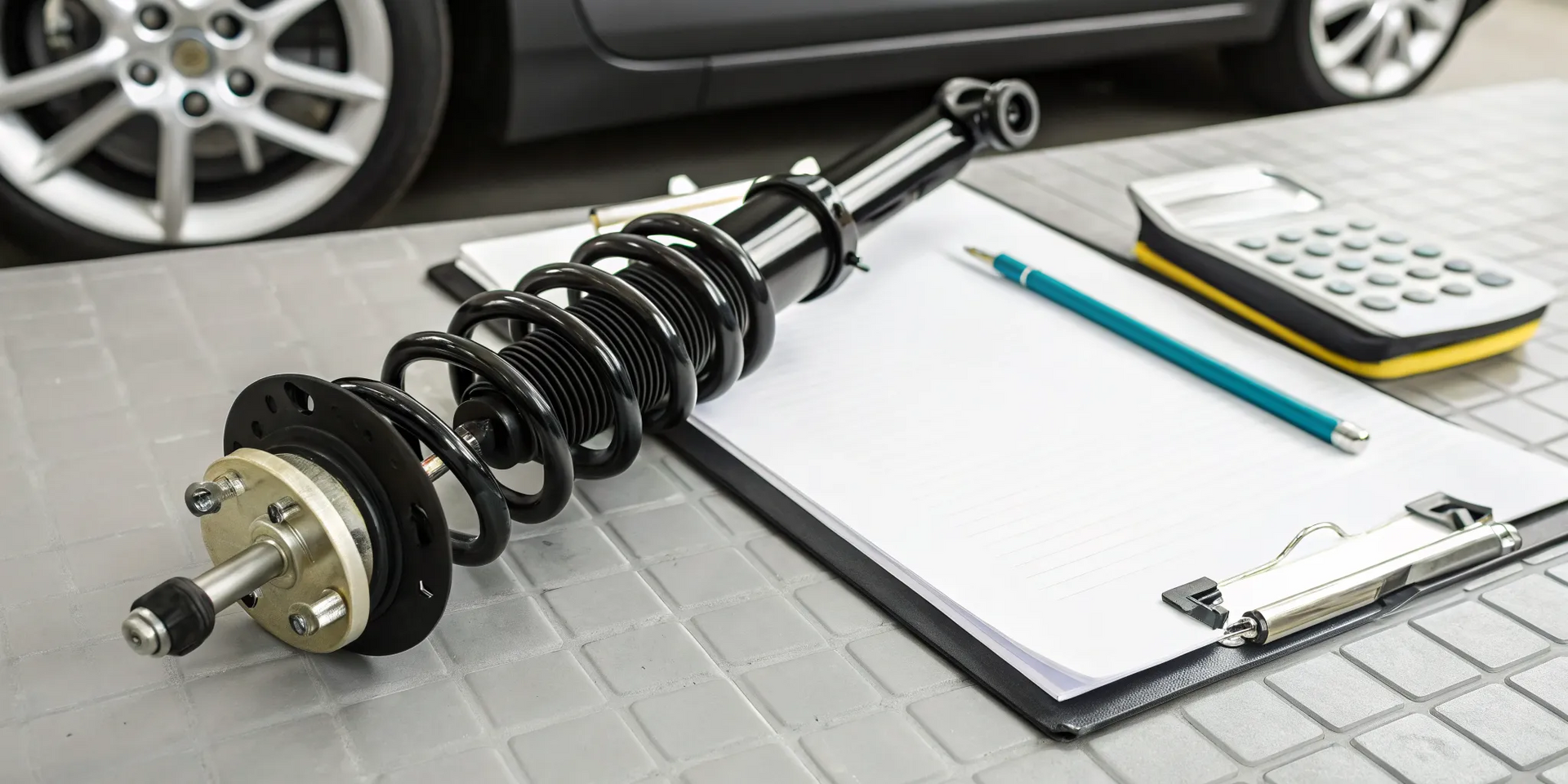
A strut, on the other hand, is a major structural part of your suspension. It's a complete assembly that includes the shock absorber and the coil spring. Because it's a structural piece, a strut also affects your wheel alignment and helps support the weight of your car. Your vehicle might have struts on the front wheels and shocks on the back, or some other combination. The key takeaway is that both are vital for a smooth, stable, and safe driving experience.
How Much Does It Cost to Replace Shocks and Struts?
Figuring out the cost to replace your shocks and struts isn’t always straightforward. The final price on your invoice depends on a few key things: the parts you choose, the time it takes to install them, and any other services your car might need to get back to driving smoothly. Think of it less as a fixed price and more as a customized quote for your specific vehicle. It's a common repair, but the total can range from around $500 to over $2,500 for a pair. This variation is why getting a clear breakdown is so important. When you understand what you're paying for, you can feel confident you're making the right decision for your car and your budget. Let’s walk through what goes into that final number so you know exactly what to expect when you bring your car in for steering and suspension service.
Breaking Down the Cost of Parts
The biggest variable in your replacement cost is the price of the parts themselves. Shocks are generally less expensive than struts because struts are a structural part of your car's suspension system. You can expect a pair of shocks to run anywhere from $80 to $250, while a pair of struts can be quite a bit more, typically ranging from $300 to $760. The price depends heavily on your vehicle’s make and model, as well as whether you opt for standard or high-performance parts. Getting the right components is the first step to restoring your car's smooth ride and handling.
Factoring in Labor and Repair Time
Next up is the cost of labor. This is what you pay a skilled technician to safely remove the old parts and install the new ones. Labor rates can vary by shop and region, but you can generally expect to pay between $100 and $300 per shock or strut for the installation. Some vehicles have more complex suspension setups, which can increase the time and effort required for the job. This is why it’s so important to have an experienced mechanic properly diagnose any issues and perform the replacement. It’s a job that directly impacts your safety on the road, so you want it done right.
Additional Costs to Consider (Like Wheel Alignment)
After replacing your struts, there’s one more crucial step: a wheel alignment. Because struts are a key part of your car’s suspension and steering geometry, replacing them will almost always affect your alignment. Skipping this step can lead to uneven tire wear, forcing you to buy new tires sooner than you should. A wheel alignment typically costs around $150 and is a smart investment to protect your new parts and tires. When you get a quote for strut replacement, always ask if an alignment is included so there are no surprises later.
What Factors Change the Replacement Cost?
When it comes to replacing your shocks and struts, there isn't a single price tag that fits every car. The final cost on your invoice depends on a few key variables. From the car you drive to the parts you choose, several factors come into play. Understanding these can help you get a clearer picture of what to expect.
Your Vehicle's Make and Model
The type of car you drive is one of the biggest factors in replacement cost. Parts for a standard sedan are more affordable than those for a high-performance sports car or a large SUV. If your vehicle has a specialized system, like an air or electronic suspension, the parts are more complex and expensive. For these vehicles, a full four-wheel replacement can cost over $2,500. Our team can give you a precise quote for your model during a steering and suspension check.
OEM vs. Aftermarket Parts Pricing
You’ll also have a choice between Original Equipment Manufacturer (OEM) and aftermarket parts. OEM parts are identical to the ones your car came with, guaranteeing a perfect fit and performance. Aftermarket parts are made by other companies and can be a great budget-friendly option, though quality can vary. We can walk you through the pros and cons of each to help you find the right balance between cost and quality for your car.
Your Location and Chosen Repair Shop
Where you get the work done matters, too. Labor rates can vary depending on your location and the auto repair shop you choose. At Dick Adams Auto, we pride ourselves on providing transparent pricing and high-quality service to our neighbors in Salinas. As a family-owned shop, our focus is on building trust and ensuring your car is safe and reliable. We believe in honest work at a fair price, so you know exactly what you’re paying for when you trust us with your vehicle repairs.
Quick Struts vs. Traditional Replacements
Another factor is the type of replacement you choose. A "quick strut" is a complete assembly that includes the strut, spring, and mount all in one unit. This can reduce labor time since the mechanic doesn't have to assemble individual components. A traditional replacement involves reusing the spring and mount with a new strut. While the parts might be cheaper upfront, the extra labor can sometimes even out the cost. We can help you decide which option makes the most sense for your car.
How Do You Know It's Time for a Replacement?
Your car is usually pretty good at telling you when something’s wrong, and your suspension system is no exception. Worn-out shocks and struts don't just make for an uncomfortable ride; they can affect your car's safety and handling. Paying attention to the early warning signs can save you from bigger headaches down the road. Here are the key signs that your car is ready for a steering and suspension service.
Telltale Sounds and a Bumpy Ride
One of the most obvious clues is how your car feels and sounds on the road. Are you starting to feel every single crack and pebble? If your ride feels much bumpier than it used to, your shocks may be failing. Listen for new noises, too. Thumping, rattling, or knocking sounds, especially on smooth roads, are classic signs of worn suspension parts. You might also hear a distinct clunking or scraping noise when you go over bumps or turn the wheel. These sounds are your car’s way of telling you its suspension needs a professional look.
Changes in Your Car's Performance
Beyond just comfort, failing shocks and struts can seriously impact how your car performs. You might notice your vehicle is harder to control, especially when turning or driving in windy conditions. Does your car rock side to side or feel like it's swaying? That instability is a major red flag. Worn suspension can also reduce how well your car brakes, increasing your stopping distance. Another side effect is uneven tire wear, which means you might need new tires sooner than expected and a wheel alignment service to correct the issue.
What to Look For in a Visual Check
You don’t have to be a mechanic to spot some physical signs of trouble. Take a look at the shocks or struts themselves. If you see oily fluid leaking down the side, that’s a clear indicator that they’re worn out and need replacing. Also, check your tires. An uneven wear pattern, sometimes called "cupping," where the tread has high and low spots, often points to a suspension problem. If you notice any of these issues, it's best to have a mechanic check it out quickly to diagnose the problem accurately and prevent further damage.
Should You Replace Them in Pairs or All at Once?
When you find out one of your shocks or struts is failing, your first thought might be to just replace the single broken part to save money. It’s a common question we hear, but the answer isn't just about the upfront cost. The decision to replace parts individually, in pairs, or all at once has a direct impact on your car's handling, safety, and even the lifespan of your tires.
Think of your suspension system as a team working together to keep your ride smooth and stable. When one player is new and the others are worn out, the whole team’s performance suffers. Let’s walk through why mechanics almost always recommend replacing these components symmetrically.
The Impact on Your Car's Safety and Performance
Your car’s shocks and struts are essential for more than just a comfortable ride. They play a huge role in how your vehicle handles, especially when you need to stop quickly or swerve to avoid something. Driving with worn-out components can make your car harder to control, increase your braking distance, and cause your tires to wear out unevenly. Replacing just one worn strut creates an imbalance in your steering and suspension system, which can make your car feel unstable, especially around corners. For the sake of your safety and your car's performance, it's best to keep your suspension balanced.
A Look at the Cost: Pairs vs. All Four
It’s true that replacing all four shocks and struts is a significant investment. Replacing a pair typically costs between $500 and $2,500, while a full set of four can range from $1,000 to $5,000, depending on your vehicle. While replacing just one might seem like the cheapest option, it’s not a good long-term solution. The industry standard is to replace shocks and struts in pairs, meaning both front components or both rear components at the same time. This ensures that both sides of the axle have matching performance. For the absolute best results and the smoothest, most predictable ride, replacing all four at once is the ideal approach.
The Problem with Mismatched Parts
Mixing old and new suspension parts is a recipe for trouble. A new shock absorber will be much stiffer and more responsive than an old, worn-out one. When you have one new part and one old part on the same axle, your car’s handling becomes unbalanced and unpredictable. This can cause the vehicle to pull to one side during braking or feel unstable when you turn. This imbalance not only creates a safety hazard but also puts extra strain on other components, including your tires and the new part you just installed. After any suspension work, it's also a good idea to check your wheel alignment to ensure everything is set correctly.
Can You Replace Shocks and Struts Yourself?
If you’re handy with tools, you might be wondering if you can tackle this replacement yourself to save some money. While it’s technically possible for an experienced home mechanic, replacing shocks and struts is a complex and potentially dangerous job. It requires specialized equipment and a deep understanding of your vehicle's suspension system. Before you decide to spend a weekend under your car, it’s important to weigh the pros and cons and understand what the project really involves. For most drivers, leaving this repair to the professionals is the safest and most reliable option.
The Right Tools and Know-How for the Job
This isn't a simple task you can complete with a standard socket set. Replacing struts, in particular, requires a tool called a spring compressor to safely remove the coil spring. This tool is notoriously dangerous if used incorrectly and has earned the nickname "widowmaker" for a reason. A compressed spring holds an incredible amount of energy, and if it releases unexpectedly, it can cause serious injury. Beyond that single tool, you’ll need a variety of other equipment like torque wrenches, jack stands, and potentially other specialty tools depending on your vehicle. This job is best left to those with significant auto repair experience.
Understanding the Risks of a DIY Repair
Beyond the immediate physical danger of working with compressed springs, a DIY replacement comes with other risks. If the new parts are installed incorrectly, you could end up with poor handling, uneven tire wear, or even damage to other parts of your car. An improper installation can also void the warranty on your new parts, leaving you to cover the cost of replacements. Your car’s suspension is critical for safety and control on the road. A mistake during installation could compromise your ability to brake or steer effectively, putting you and others at risk. Professional steering and suspension services ensure the job is done right the first time.
When It's Best to Call a Professional
If you have any doubts about your ability to do this job safely and correctly, it’s time to call a professional. A trained mechanic has the right tools, experience, and safety equipment to handle the replacement efficiently. While the cost might seem high initially, you’re paying for expertise and peace of mind. Many drivers find that paying for a professional installation is a fair price for ensuring their vehicle is safe to drive. If you’ve noticed any signs of failing shocks or struts, don't wait. Driving on a worn suspension is a safety hazard, so having a trusted mechanic inspect your vehicle right away is always the best course of action.
How Can You Save Money on the Repair?
Replacing shocks and struts is a necessary investment in your car's safety and performance, but that doesn't mean it has to break the bank. With a little planning, you can manage the cost effectively without compromising on quality. Here are a few practical ways to save money on your suspension repair.
Get a Few Different Quotes
When you’re facing a significant repair, it’s always a good idea to get estimates from a few different shops. This helps you understand the typical price range for the job in your area. Ask for a detailed breakdown that separates the cost of parts from labor. While it’s tempting to go with the lowest price, remember that quality matters. A trustworthy mechanic will be transparent about their pricing and use reliable parts. Look for a shop that balances fair pricing with a reputation for excellent work, ensuring your steering and suspension services are done right the first time.
Why You Shouldn't Wait Too Long to Repair
Putting off suspension repairs might seem like a way to save money now, but it almost always costs more in the long run. Driving with worn-out shocks and struts isn't just unsafe; it can cause a domino effect of damage to other parts of your car. The constant bouncing and instability can lead to premature tire wear, damage other suspension components, and even affect your braking. Addressing the problem early prevents these additional issues from piling up, saving you from a much larger repair bill down the road. If you suspect a problem, getting a professional auto diagnostic check can pinpoint the issue before it gets worse.
Ask About Warranty Options
Before you schedule the repair, take a moment to check your paperwork. If you have an extended car warranty, it might cover some or all of the replacement costs for shocks and struts. It’s definitely worth a phone call to find out. Additionally, always ask the repair shop about their warranty policies. Reputable shops stand by their work and will offer a warranty on both the parts they install and the labor they perform. This not only protects your investment but also gives you peace of mind knowing the job was done with quality and care.
How to Choose Quality Parts That Last
When it’s time for a replacement, the parts you choose will make all the difference in how your car drives for years to come. Picking the right shocks and struts isn't just about finding something that fits; it’s about investing in your car's safety, comfort, and long-term health. The market is full of options at every price point, which can feel a little overwhelming. But with a bit of knowledge, you can work with your mechanic to select quality parts that give you the best performance for your money. It’s all about understanding what you’re buying and what makes one part better than another for your specific vehicle and driving habits.
Know the Different Types of Shocks and Struts
First, it’s helpful to know that while shocks and struts do similar jobs, they aren’t interchangeable. Both are key components of your car’s steering and suspension system, working to absorb bumps and keep your tires connected to the road. The main difference is that a strut is a structural part of the suspension, while a shock is not. Your vehicle is designed to use one or the other (or sometimes a combination), so you can’t swap them. Within those categories, you’ll find different types, like gas-charged, heavy-duty, or automatic leveling shocks, each designed for different performance needs. You don’t need to be an expert, but knowing the basics helps you understand your mechanic’s recommendations.
Balance Your Budget with Performance Needs
Cost is always a factor, and prices for shocks and struts can vary wildly. While some parts cost less than a hundred dollars, high-performance or specialty options can run much higher. It’s tempting to go for the cheapest option, but that can cost you more down the road in premature wear and poor performance. Instead, think about finding a sweet spot between your budget and your car’s needs. Do you do a lot of highway driving, or are you mostly running errands around town? Do you haul heavy loads? Answering these questions will help determine whether a standard replacement is fine or if a more robust, heavy-duty option is a better investment for your driving style.
What Makes New Parts Last Longer?
So, what separates a great part from a mediocre one? A few key things. Always look for products with a solid warranty; some of the best brands offer a limited lifetime warranty, which shows they stand behind their product. You’ll also want parts that are an exact fit for your vehicle and have features like corrosion-resistant coatings to protect against rust. Many reputable aftermarket brands offer quality shocks and struts that are just as good as original factory parts but often at a better price. A trusted mechanic can help you find these quality parts, ensuring you get a durable product that keeps your ride smooth and safe.
What Happens If You Put Off the Replacement?
It’s easy to put car repairs on the back burner, especially when they don’t seem urgent. A slightly bumpier ride might feel like a minor annoyance, but ignoring worn-out shocks and struts is a gamble. Procrastinating on this repair doesn't just affect your comfort; it sets off a chain reaction that can compromise your car's safety, damage other components, and lead to much higher costs down the road. Think of it as a small problem that can grow into a major headache if you let it. Addressing it sooner rather than later is one of the smartest moves you can make for your vehicle and your wallet.
The Ripple Effect: Damage to Other Parts
When your shocks and struts are worn, your car’s frame and suspension have to absorb a lot more impact from the road. This constant vibration and jarring doesn't just disappear; it travels through the vehicle and puts extra stress on dozens of other parts. Components like your ball joints, control arm bushings, and springs start to wear out faster under the added strain. What could have been a straightforward strut replacement can quickly turn into a more complex and expensive steering and suspension service. By replacing your struts on time, you protect the entire suspension system from premature wear and tear, saving yourself from a much bigger repair bill in the future.
The Impact on Your Tires and Handling
Your tires are often the first victims of a failing suspension. Worn shocks and struts can cause a specific type of uneven wear called "cupping" or "scalloping," where patches of rubber are scooped out of the tread. This not only ruins a perfectly good set of tires but also affects your car's handling. You might notice your vehicle nosediving when you brake, swaying in crosswinds, or feeling less stable around corners. Because the tires aren't maintaining consistent contact with the road, your control over the vehicle is reduced. A wheel alignment is always recommended after a replacement, but it can't fix tires that are already damaged from neglect.
Why Worn Suspension Is a Safety Hazard
This is the most important reason not to delay the repair: it’s a major safety issue. Worn shocks and struts can significantly increase the distance it takes for your car to stop, which can be critical in an emergency. Your vehicle’s stability is also compromised, making it harder to handle during sudden maneuvers or on uneven roads. The car might pull to one side, vibrate uncontrollably at high speeds, or feel like it’s floating. In the most severe cases, a worn suspension component could fail completely while you're driving. If you suspect a problem, getting a professional auto diagnostic check is essential for keeping you and your passengers safe.
Frequently Asked Questions
How often should I expect to replace my shocks and struts? There isn't a strict mileage or time limit, as their lifespan really depends on where and how you drive. A good general guideline is to have them inspected around every 50,000 miles. If you often drive on bumpy roads or carry heavy loads, they may wear out sooner. The most reliable method is to pay attention to changes in your car's ride and handling and have a professional check them during routine service.
Is a wheel alignment always necessary after replacing struts? Yes, you should definitely plan on it. Struts are a structural part of your suspension, so replacing them directly affects the angles of your wheels. Skipping the alignment will cause your new tires to wear out unevenly and can make your car feel like it's pulling to one side. Consider it the final, crucial step to ensure your car drives straight and you get the most life out of your tires.
My mechanic said only one strut is bad. Why do I need to replace both? This is a great question, and it comes down to balance and safety. A brand-new strut will be much stiffer and more responsive than the older, worn one on the opposite side. This imbalance can make your car's handling feel unstable and unpredictable, especially when you're turning or braking suddenly. Replacing them in pairs (both front or both rear) is the industry standard to keep your vehicle's performance consistent and safe.
What should I expect my car to feel like after the replacement? You'll likely notice a big difference right away. Your ride should feel significantly smoother and more controlled, without the excessive bouncing or rattling you may have gotten used to. The car will also feel more stable and responsive when you turn, brake, or change lanes. It’s one of those repairs that can make an older car feel new again.
Are less expensive aftermarket parts a safe choice? They certainly can be. Many aftermarket brands manufacture excellent parts that perform just as well as, and sometimes even better than, the original ones from the factory. The key is to stick with reputable brands known for their quality. A good mechanic can recommend reliable aftermarket options that provide a great balance of performance and value, so you don't have to sacrifice safety to fit your budget.